Where it began
Founder story
From a side project in Brazil to a global endeavor.
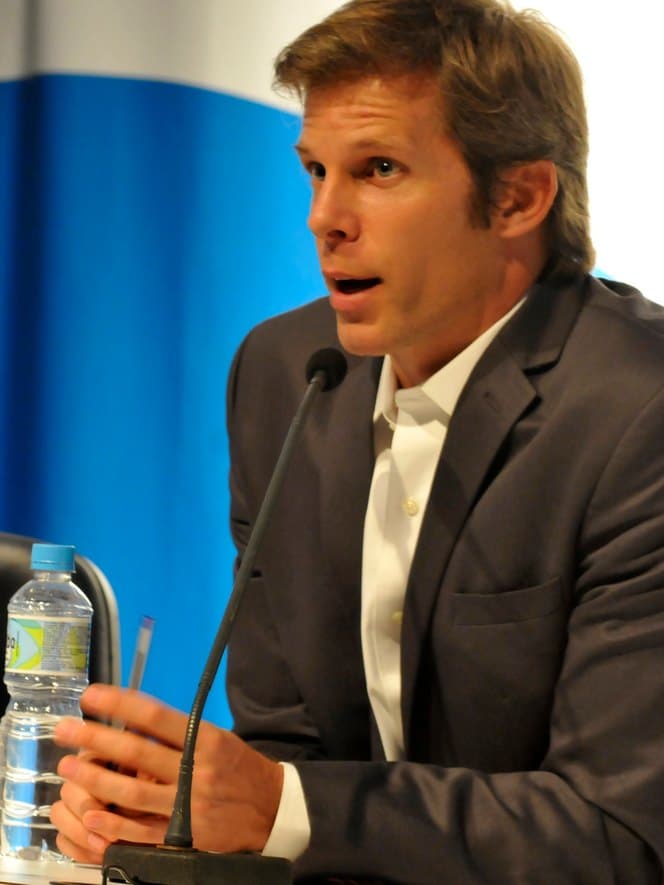
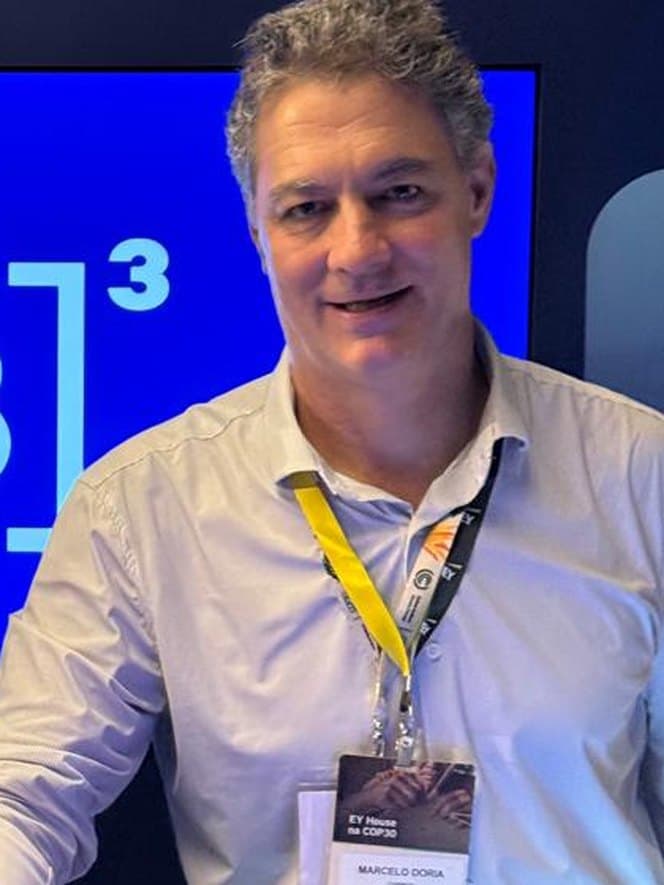
Carrot's founders met while working on major sporting events in Brazil and seeking innovative greening solutions. Ian was leading the campaign to make the 2014 FIFA World Cup the first with LEED-certified stadiums, while Marcelo was President of the 2013 X Games in Foz do Iguaçu, a joint venture with Disney's ESPN — the first in South America.
While the projects were well-intentioned, much of the work was never completed because the incentives between event owners, funders, and builders were not aligned.
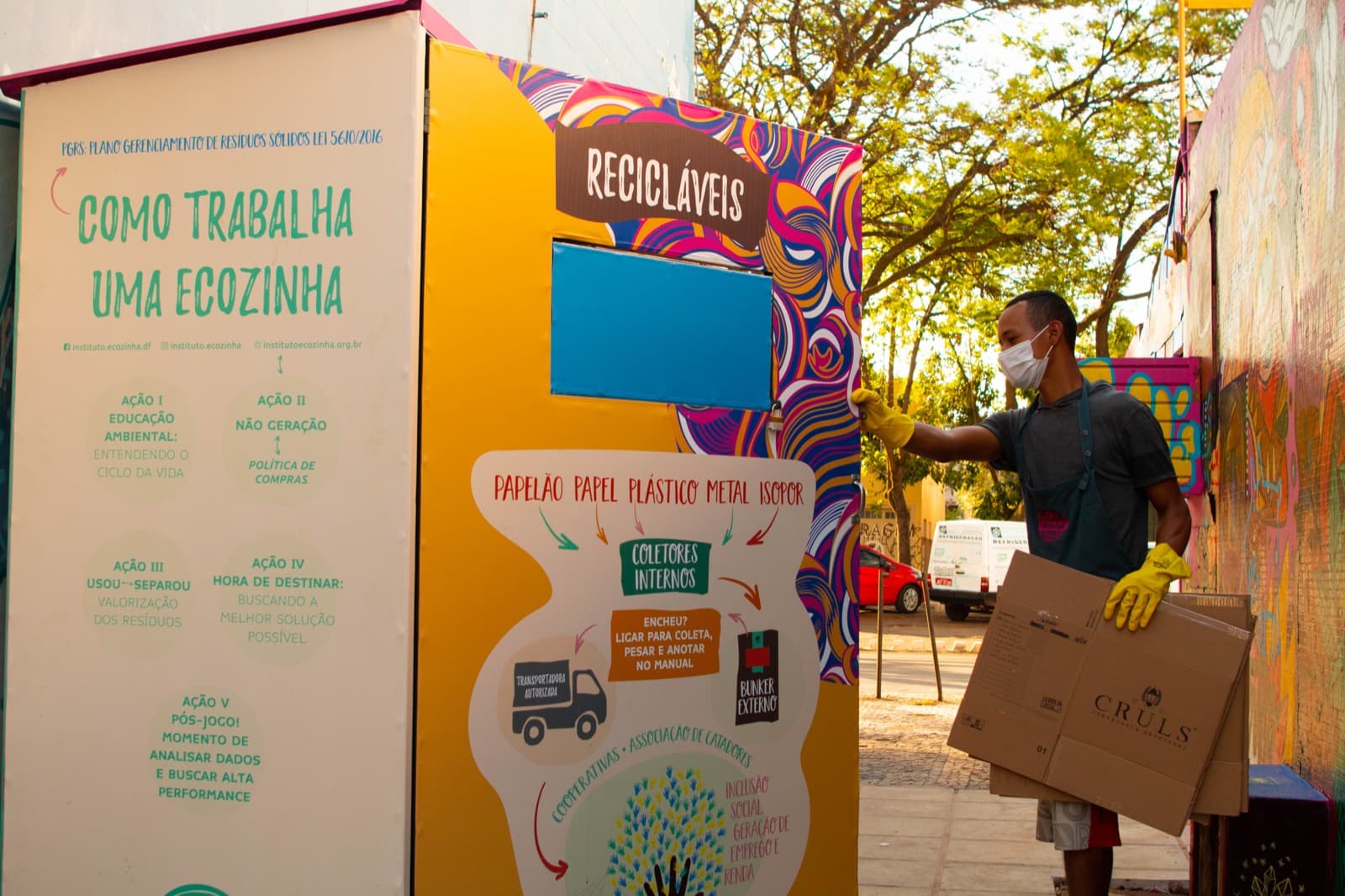
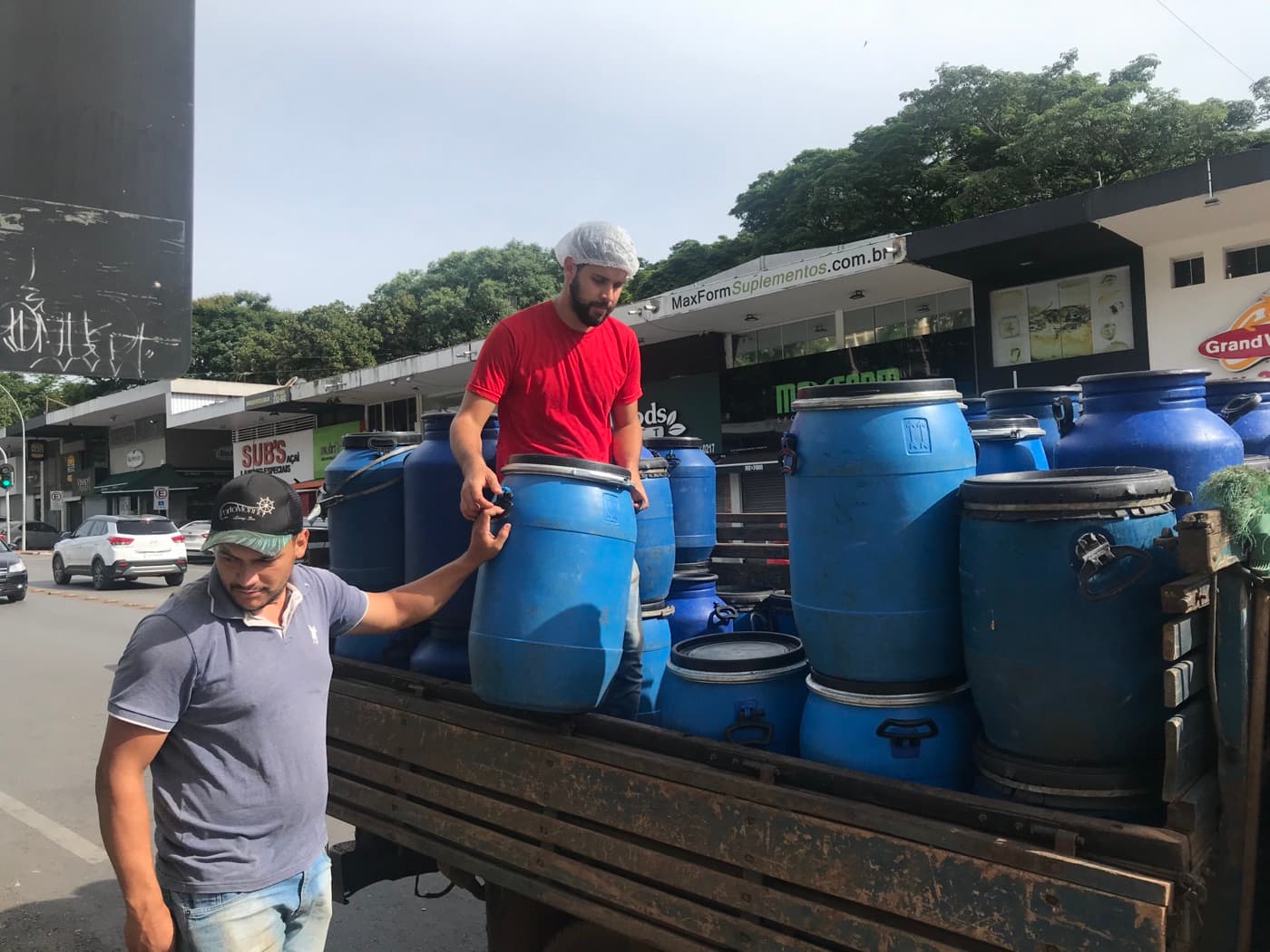
It was a small zero-waste experiment with Brasília's bars and restaurants — what it proved, and what it could not — that brought Ian and Marcelo together to pursue something far more ambitious, at the intersection of resource management and climate.
Insight
Zero Waste is very achievable.
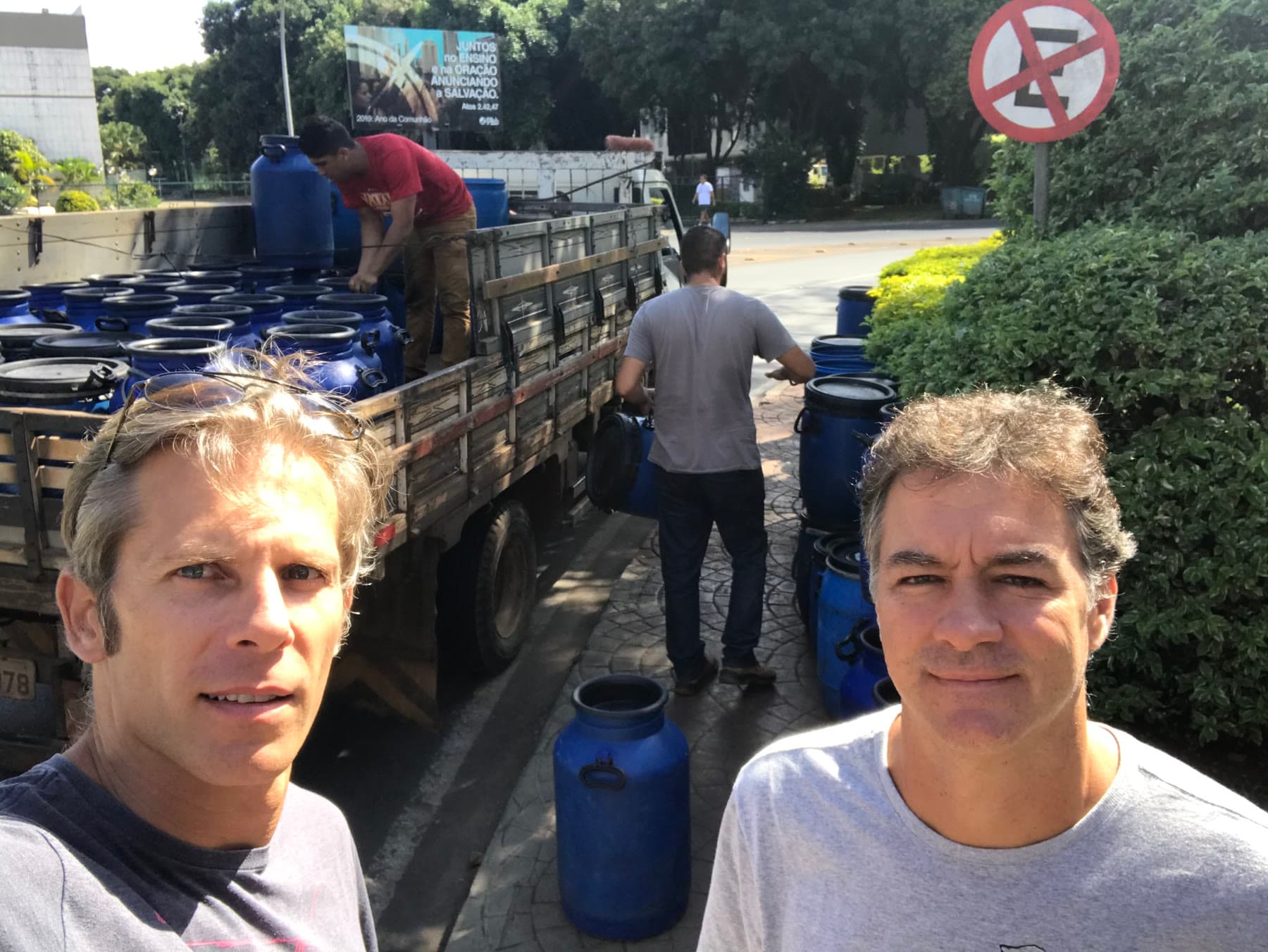
What Marcelo saw on his visit to Brasília — a ~93% diversion rate, achieved with ordinary bars and restaurants — left him surprised and intrigued: why was such a big global problem still unsolved?
The insight was simple: sort food waste from every other material, and zero waste follows.
~86participating establishments
~93%diversion from landfill
Zero Waste Goal: minimum 90% diversion from landfill, incineration, and the environment.
Scope: Instituto Ecozinha operating record, Brasília.
~50%of municipal waste in Latin America is organic.UNEP · IDB · corroborated by What a Waste 3.0
<1%While it is nearly 100% recyclable, less than 1% is composted in Latin America — and only 0.4% in Brazil.World Bank · What a Waste 3.0 · ABREMA 2023
~2xComposting is about twice as expensive as landfilling organic waste.The green premium that must be closed.
Digging deeper
The economics.
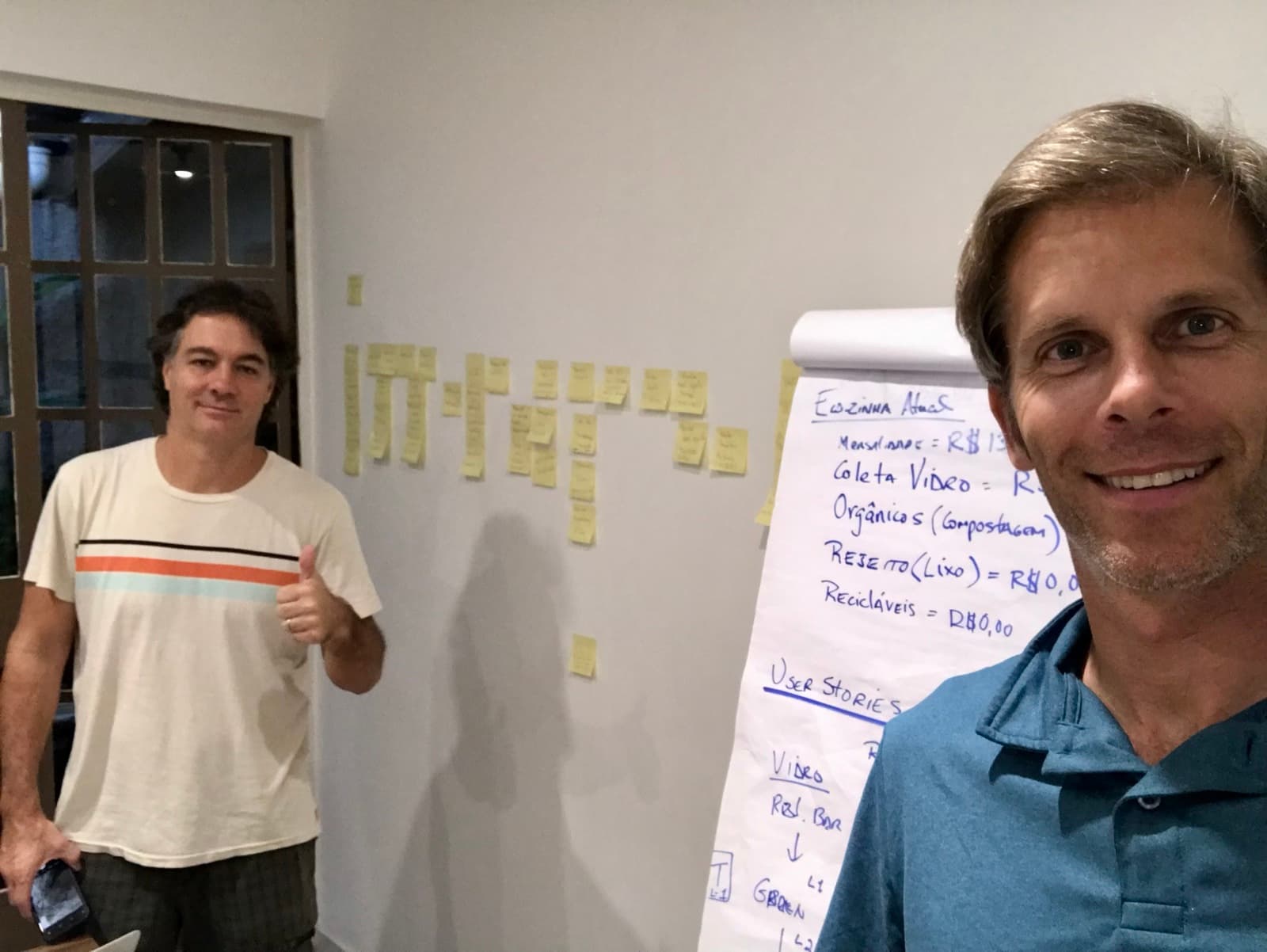
Marcelo and Ian dug into collection, hauling, and recycling to understand what circularity really costs and what was missing.
The search
Finding a way to close the cost gap.
Every route to scale ran into the same wall: burying waste stays cheaper than recycling it. New capital was needed to change incentives at a system level.
If only we could harness the climate benefits of methane reduction at landfills through biological treatment — it could be the catalyst we needed.
Understanding
Understanding the opportunity
Organic waste buried in landfills produces methane — a superpollutant 81x more potent than CO₂ over 20 years and responsible for roughly 30% of global warming.
Diverting it to biological treatment reduces its release almost entirely. It also produces fertilizers, green power, and proteins.
Carbon financing from methane reduction, shared across the supply chain, could cover the cost gap and enable the market to flip.
As the industry grows, Food EPR and Pay-As-You-Throw policies can scale it to municipality-wide zero waste.
The incredible impact
“Cutting methane is the single biggest and fastest strategy for slowing down warming.”— Durwood Zaelke · Reuters, 2021
~20%of methane comes from wasteYet, astonishingly, organic-waste management received only $22M of $13.7B in global methane finance — just 0.16%.UNEP · global methane evidence · CPI, Waste not · Landscape of Methane Abatement Finance
67–76Gigatons — opportunity with circularityof cumulative CO₂e savings could come from the circular economy between 2026 and 2050.WBCSD, Global Circularity Protocol
85%Circularity's cooling potentialof the emissions cuts needed for a well-below-2°C pathway come from circular-economy strategies.Circle Economy, Circularity Gap Report 2021
The takeaway
Sorting organic waste is the key to fast and deep methane reductions and to unlocking the much larger low-carbon circular economy.
This was no longer a waste project — it was one of the greatest climate opportunities available today.
Our mission was born.
Our work since
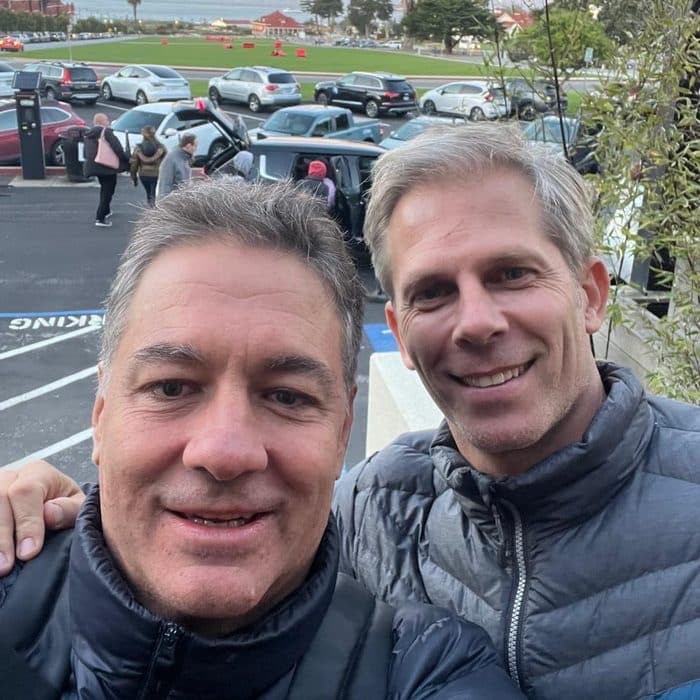
San Francisco's Zero Waste Forum — Ian and Marcelo launching the Carrot initiative.
On biowaste recycling
We believe no other intervention available today delivers comparable speed, scale, and co-benefits across climate cooling, resource protection, and social impact.
Meet the teamOur vision
A world capable of recovering at least 90% of its materials — where environmental and social public goods are valued and financed.
Our mission
Build the shared infrastructure and financing mechanisms that make verified circular-economy outcomes bankable at scale.