The Case · Part 1 of 3
Building the abundant,
low-carbon circular future.
It starts with tackling climate change where it matters most — cutting methane and waste together, today.
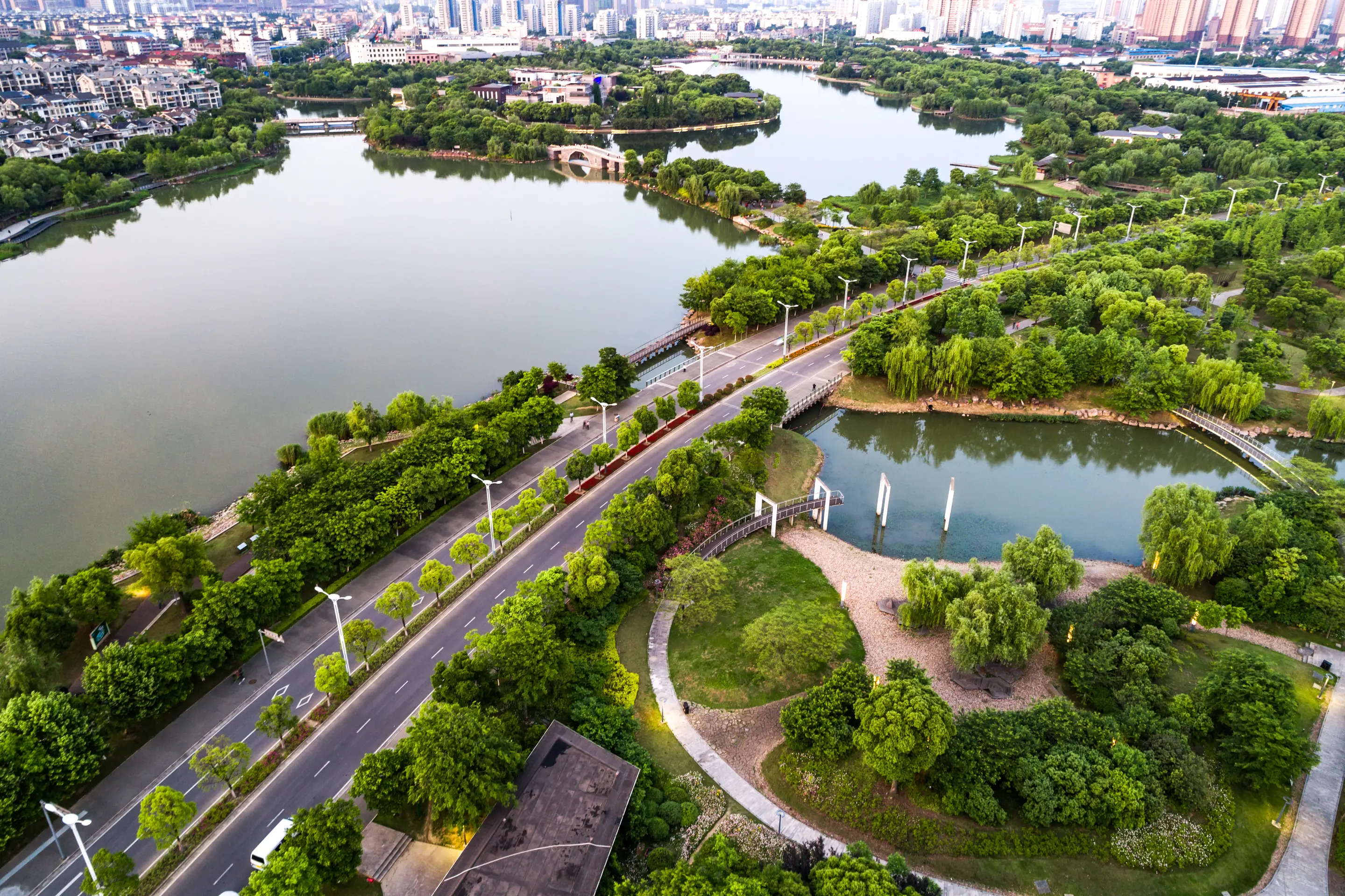
Our planet is warming faster than expected.
So, we need to cut warming more quickly than we planned.
This means tackling near-term warming rapidly and meaningfully. It means tackling methane, now.
Methane
Methane is a super pollutant 81× more potent than CO2 over 20 years and responsible for ~⅓ of global warming. Reducing methane emissions meaningfully, is the best way to slow warming, quickly.
(IPCC AR6, GWP-20 and CPI)
Methane from waste: the overlooked opportunity.
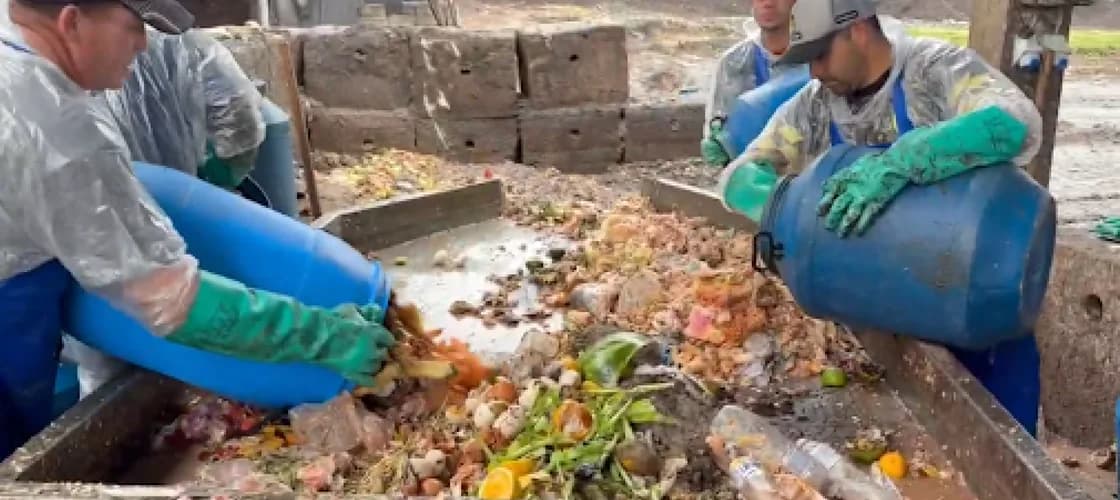
Methane generated from organic waste represents 20% of global methane emissions, and its release can be reduced almost entirely by diverting it from landfills to biological treatment — composting, anaerobic digestion, and black soldier fly processing.
Share of the problem
~20%
of human-caused methane emissions come from wasteUNEP
Projected growth by 2050
+56%
about 3× the rate of agriculture and 7× that of oil and gasUNEP Global Methane Status Report 2025
Cost to society
the only major methane category whose reduction can deliver a net cost saving to societyUNEP Global Methane Status Report 2025
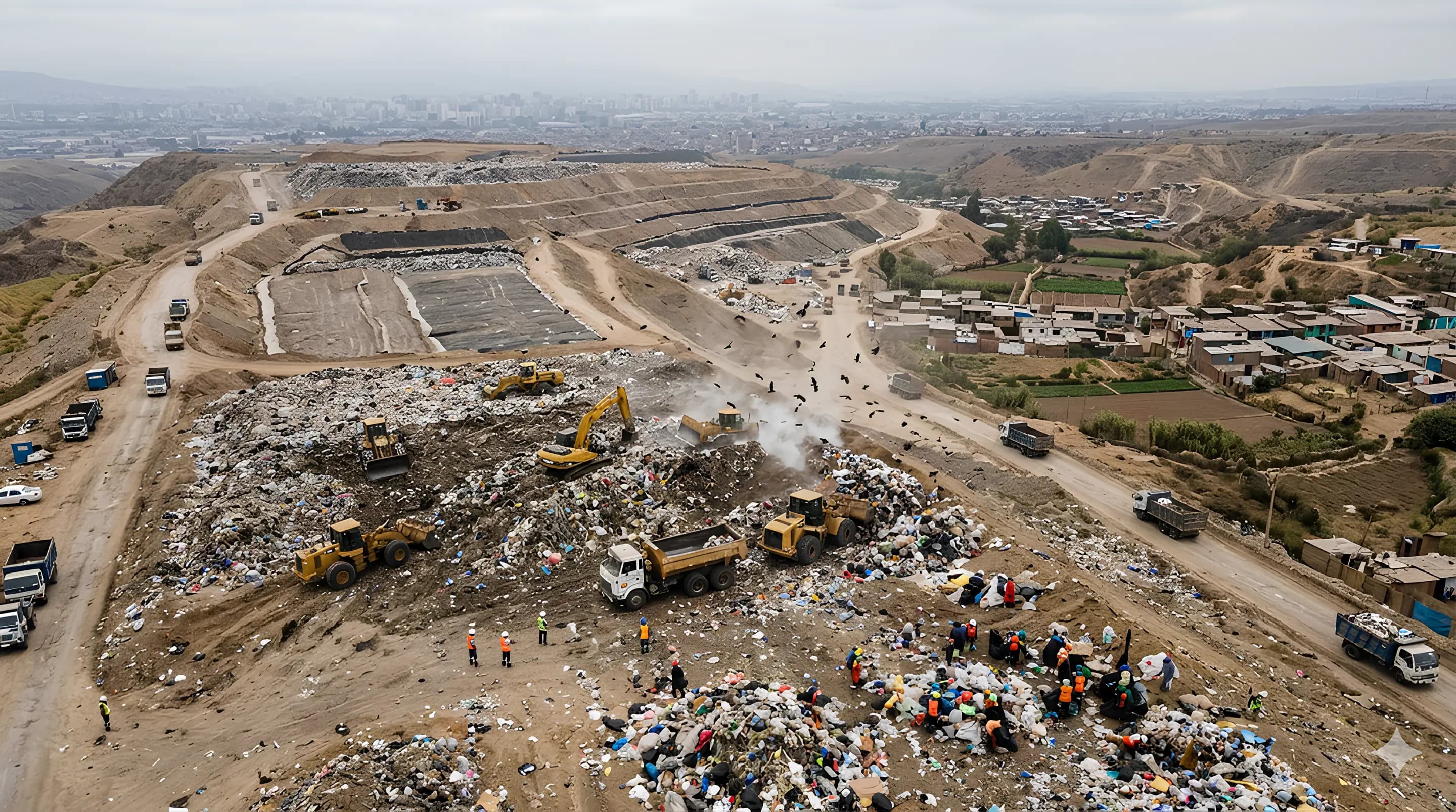
It starts with sorting organic
waste at the source.
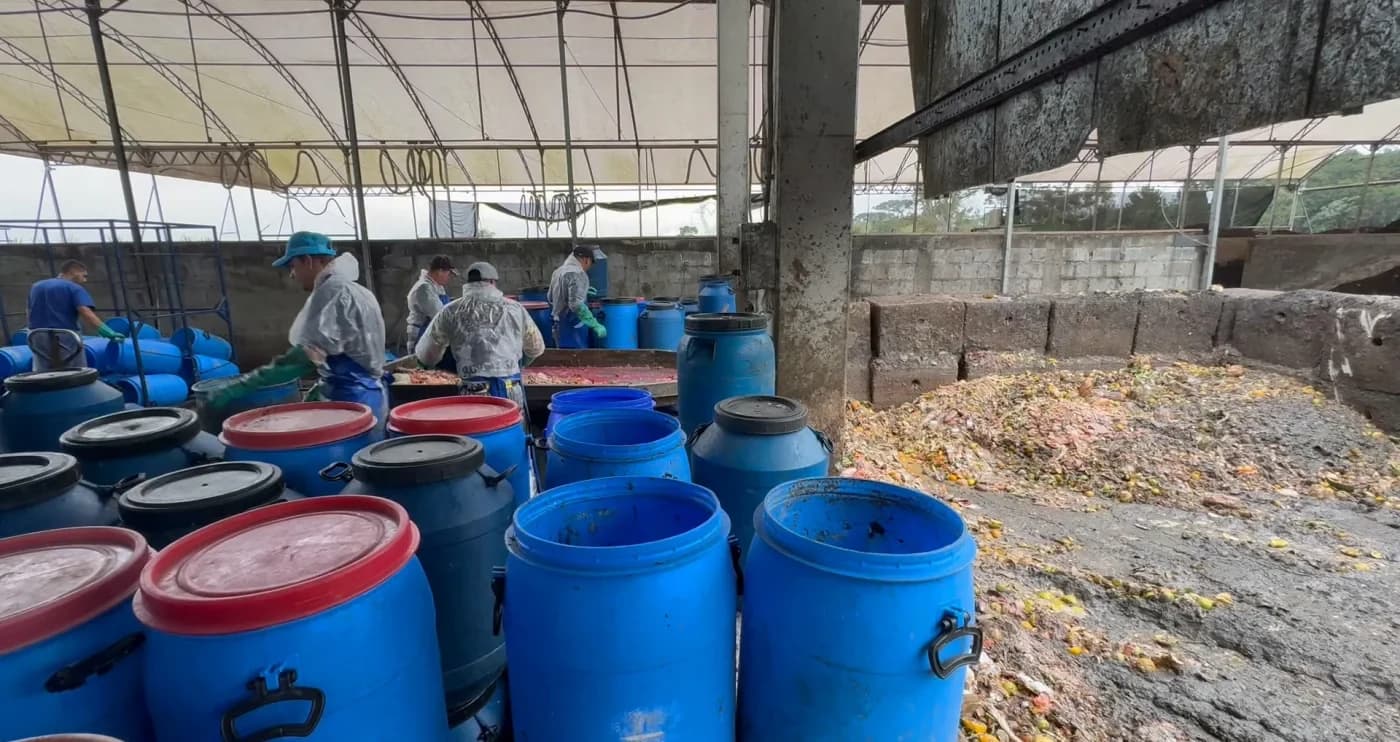
Sorting organic waste is easy individually, but difficult at a system level. It takes creating real incentives for sorting participation and investment in the required infrastructure to drive behavior and system change — a new industry that can transform waste into resource:
- green power
- natural fertilizers
- proteins
- green jobs
What sorting enables is very important.
Sorting at the source
Understand more about the two cycles
- A dedicated biological cycle
removes organic resources from the waste stream and inserts them into the food, nutrient and carbon cycles — the circular bioeconomy.
- The technical cycle’s full potential
where glass, paper, metals, cardboard, plastics and other materials are free of organic contaminants and their use can be extended through reuse and recycling.
Adapted from Ellen MacArthur Foundation, Circular economy systems diagram (February 2019)
Two cycles, one low-carbon circular economy.
Biowaste sorting and recycling enable the two separate cycles to function, unlocking the opportunity for a much more efficient, low-carbon circular economy.
The world needs to come together on the Mission to sort, divert and recycle more than 90% of the organic waste it produces.
Proof it works — and how far there is to go.
The Zero Waste Goal of 90% waste diversion from landfills to reuse and recycling is considered very achievable technically and economically, and yet it fails almost everywhere. The few examples, such as Treviso and South Korea, each took decades — which is why they are where the roadmap (explained later) arrives, not where it begins.
- Northern Italy · 85%Treviso's district operator reached 85% separate collection — roughly twice the European average — in under 15 years.Zero Waste Europe, The Story of Contarina
- South Korea · >90%South Korea recycles more than 90% of its food waste, nationwide.Sustainability, 2024
The challenge: making circularity the better economic choice.
Composting still costs more than landfilling in most of the world. Where landfilling is free, the premium is the full cost — around $100 per tonne of waste for a mid-development country, as observed in Brazil. Where disposal already carries a fee, the gap narrows to around $50. Either way, the difference is why good biowaste recycling projects stall.
Free landfilling
Private collection
What this means at a system level
At system level, the gap is smaller than it looks at the bin. The World Bank estimates that a basic waste system in a middle-income country — collection, transport and sanitary disposal — costs about $70–80 a tonne, and an advanced, circular one about $120. The step-up is roughly $40–50 a tonne.
Source: World Bank, What a Waste 3.0 (2026), chapter 7
Disposal is cheapat the point of decision
Costs are socializedspread across all taxpayers
Good operators are priced outthe better outcome, at higher cost
The destructive linear system that must be broken to unlock the circular economy.
Those who benefit from waste production should help to cover the costs, the green premium. The real problem is not a lack of capital, but pointing it at good, verifiable climate and circular outcomes in the waste sector. This is the problem Carrot aims to solve.
What we need to close the
biowaste recycling gap.
We must align climate and circular-economy funding contributions with validated, outcomes-verified results. This requires innovation on three levels:
- A new technology layer that unites supply-chain participants and produces verified recycling and methane reduction outcomes.Digital Public Infrastructure for Global Climate Finance →open rails anyone in the chain can join
- A pathway for corporations and individuals to catalyze the regulatory and financing environment necessary to drive system change quickly and globally.Biowaste Roadmap →who pays first, and what keeps it paid
- A financing solution that turns verified methane reduction and biowaste recycling outcomes into impact and incentives for communities — driving local environmental, social and economic change.Biowaste Credit Stack →verified results, turned into credits
This is what Carrot is building — and what you can support.
Our moonshot goal