
How It Works · Part 2 of 3
Make recycling food & organics a better economic choice than landfilling.
The technology, the roadmap, and the funding to make recycling participation worthwhile.
The Case · Part 1The future is calling on us to work together. Carrot is building a digital ecosystem to make sorting, hauling and recycling fundable to reduce waste and combat global warming simultaneously.
A technology layer
People collaborating
toward one positive outcome
A food waste producer separates its waste. A hauler collects it. A recycler turns it into a resource. Climate funders support the ecosystem. Carrot connects their contributions through a shared digital ledger and makes sure they are recognized for it.
Record the work
The people handling the material contribute to one connected record.
Check the evidence
Published rules, digital checks and independent assurance establish the results.
Generate public goods
Less waste, lower emissions, and benefits for society as a whole.
Explore how the work becomes a verified record
Building trust through collaborative digitization.
Local logistics operators and tracking platforms record each batch of waste and update its journey. Weight, material, location, custody and evidence stay connected as the work moves between people.
 Separate & collectReceive & recycle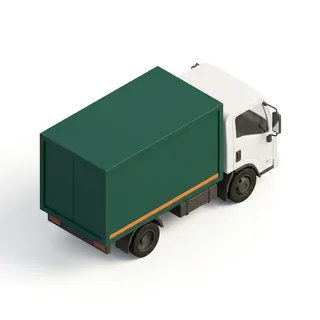
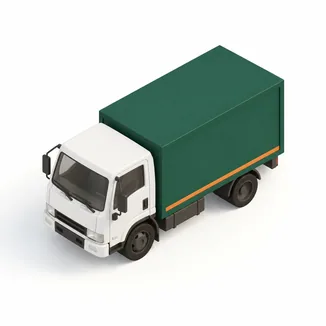
Connected records
MassID records the material and its custody. RecycledID and GasID are certificates linking verified recycling and emissions-reduction outcomes to that evidence. Each path must pass its applicable methodology checks before credits can be issued.
From tracking to verification
Tracking alone does not certify an outcome. The connected evidence enables multi-party verification and the allocation of rewards from credit sales.
Real work.
Transparent results.
A trusted ecosystem depends on shared responsibility.
Carrot brings project operators, technology providers, methodology experts and independent auditors together to build the evidence, checks and accountability the system needs.
 Open the verification record (opens in a new tab)
See the people and technology behind verification
Working with regulators, registries, and verification bodies
Rules & frameworks
Carrot
Applies approved rules.
Organizes auditable evidence.
Supports open standards, public methodologies and multi-registry integration.
Verification bodies
Review methodologies, projects and evidence.
Verification at scale
Digital monitoring and verification help lower the cost barrier to participation for small and medium-sized businesses, expanding the market.
Participant checks
Processors and recyclers undergo accreditation; waste generators and haulers are identity-verified.
Human oversight
Digital tools help independent auditors review the evidence.
Methodology executionDigital verificationIndependent assuranceRead the current governance model
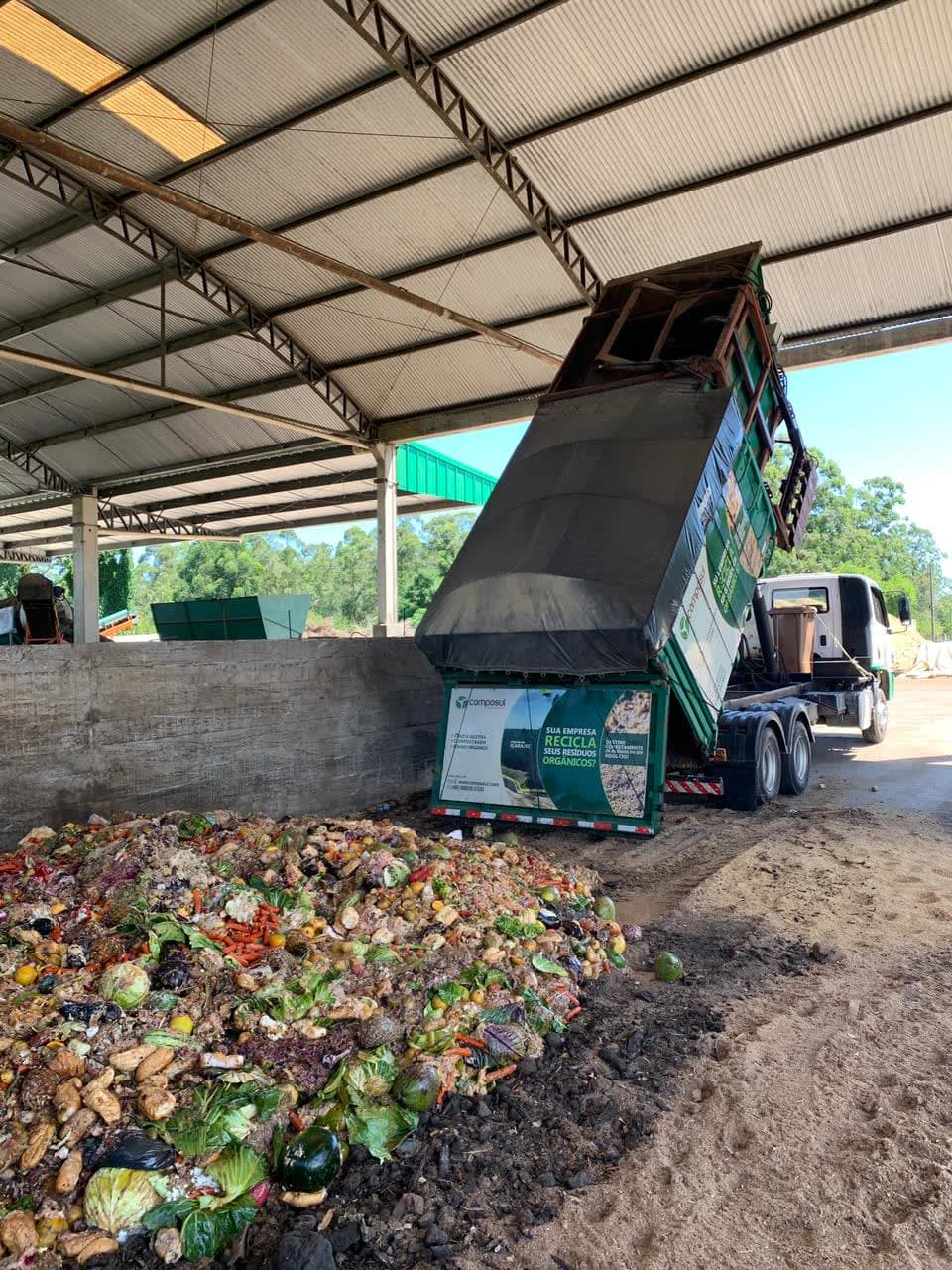
The environmental and social benefits of biowaste recycling, when verified, become fundable at scale.
Here’s how we can build a market that connects climate financiers with the people and organizations delivering those outcomes.
A roadmap
From catalytic funding to everyday recovery.
A phased approach to making biowaste recovery a lasting service. Each phase builds on the last, and they can overlap.
The Biowaste Financing and Policy Roadmap
Phase 1
Start the market
Catalytic buyers fund verified methane reduction, helping build biological treatment infrastructure and services.Explore this phaseEarly funding helps operators get started and builds the evidence for a wider market.
Phase 2
Sustain the funding
Food producers take on a share of the cost through extended producer responsibility contributions.Explore this phaseProducer funding grows alongside catalytic funding, supporting continued recovery and rewards for separation.
Phase 3
Make recovery a utility
A lasting service, funded by producers and waste-based user charges, with rewards for separation.Explore this phaseA waste charge is added for consumers, encouraging waste reduction and sharing the costs. Producer funding supports separation rewards, while catalytic funding can step back.
This is a proposed pathway to shape a market that doesn’t yet exist. Progress begins now with catalytic funding to enable local investment and policy adoption.
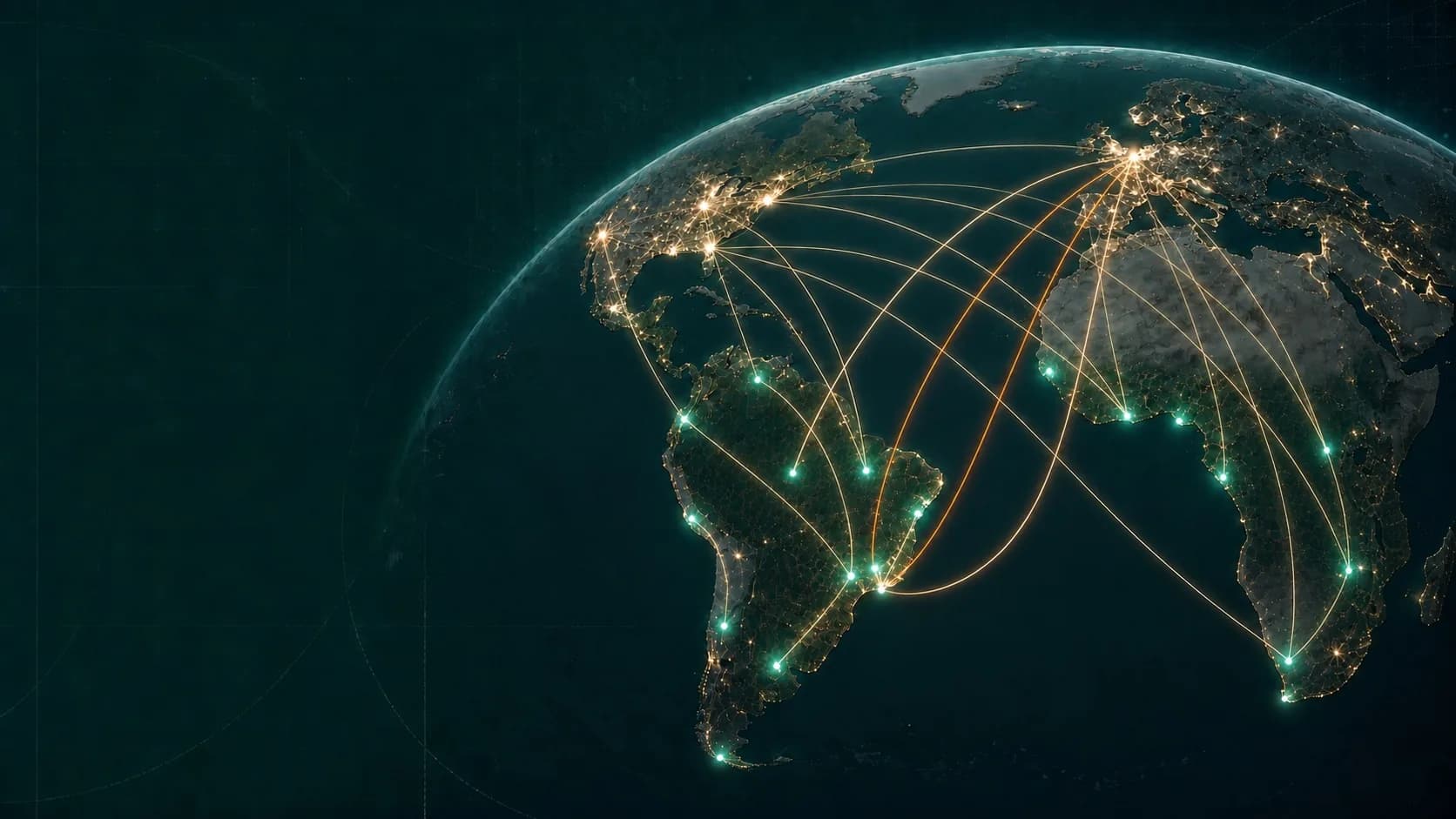
The role of climate funders
Global climate funding. Local recovery.
By purchasing biowaste recycling carbon credits, climate funders support verified waste diversion and methane reductions today and help build recovery capacity for tomorrow.
Compare the methodologies and their contributions
| What to check | Recycling | Carbon |
|---|---|---|
| Methodology | BOLD Recycling Credit | BOLD Carbon CH₄ |
| Certificate | RecycledID | GasID |
| Credit symbol | C-BIOW | C-CARB.CH4 |
| Environmental claim | Certified material recycling | Quantified emission reductions |
| Retirement | A separate recycling-credit record | A separate carbon-credit record |
Records and certificates
MassID records the material and its custody. RecycledID and GasID are certificates backing the credits. The carbon path uses MassID evidence independently of recycling-credit issuance.
Retirement and claims
Retirement removes a credit from circulation so it cannot be resold or used again. The two paths do not create permission to claim the same emissions twice. This page invites a contribution to verified results; it makes no carbon-neutrality or compliance promise.
What BOLD stands for
Breakthrough in Organics Landfill Diversion. The Biowaste Credit Stack uses the BOLD credit family to measure two distinct environmental outcomes.
Two distinct outcomes
BOLD Recycling Credit represents certified material recycling. BOLD Carbon CH₄ represents quantified emission reductions. Each has separate certificates, credit symbols and retirement records.
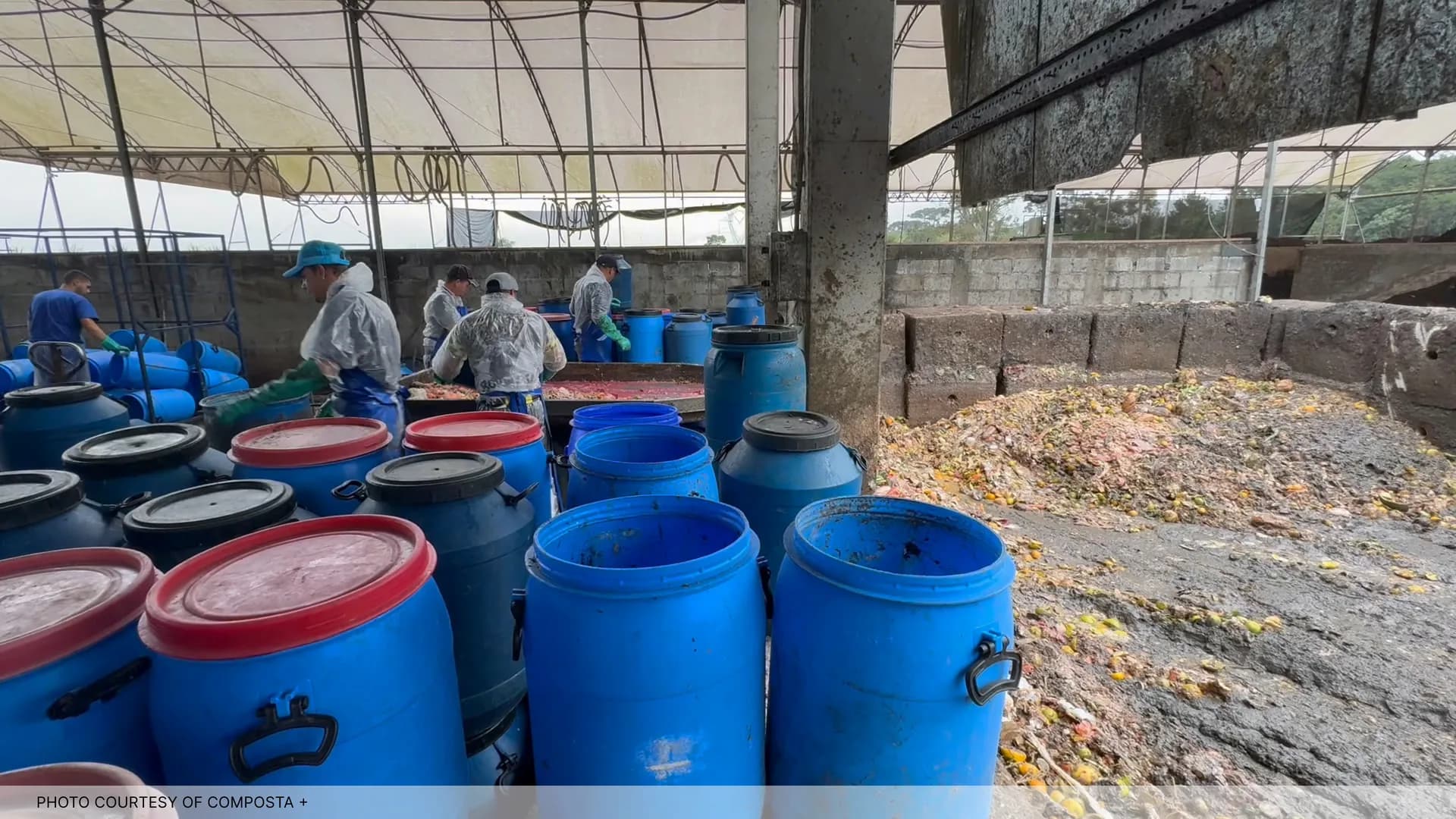
Sharing rewards with everyone makes
participation economically worthwhile.
It is how the system will change.
Discover the two credits that make it possible.