Treviso, Italy
85%separate collection across the district operator’s service area
Intensive curbside collection and pay-as-you-throw.
The proof
Treviso, Italy
85%separate collection across the district operator’s service area
Intensive curbside collection and pay-as-you-throw.
Photo by Maddalena Addeo · CC BY-SA 4.0
Photo by Seoul Metropolitan Government · Public Nuri Type 1
Photo by Instituto Ecozinha
We need to build a market that can fund circularity, keeping materials in use and out of landfills. Carrot’s digital infrastructure aims to do this at scale. Your support can make that happen.
People & climate
Individuals and small and medium businesses make the circular economy work—separating, collecting, and transforming materials so they stay in use.
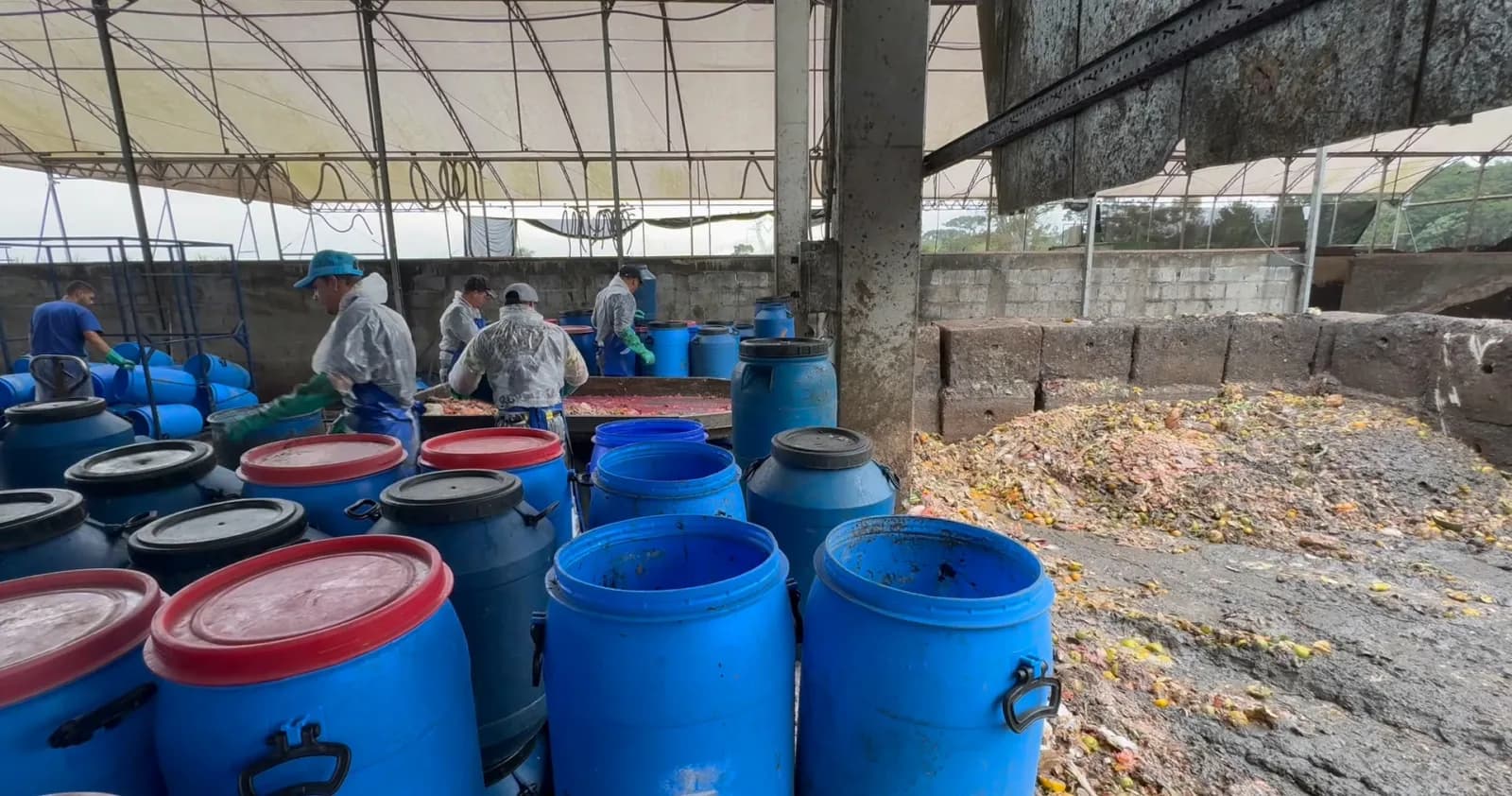
Composta+ workers prepare collected organics for composting.
Photo: Composta+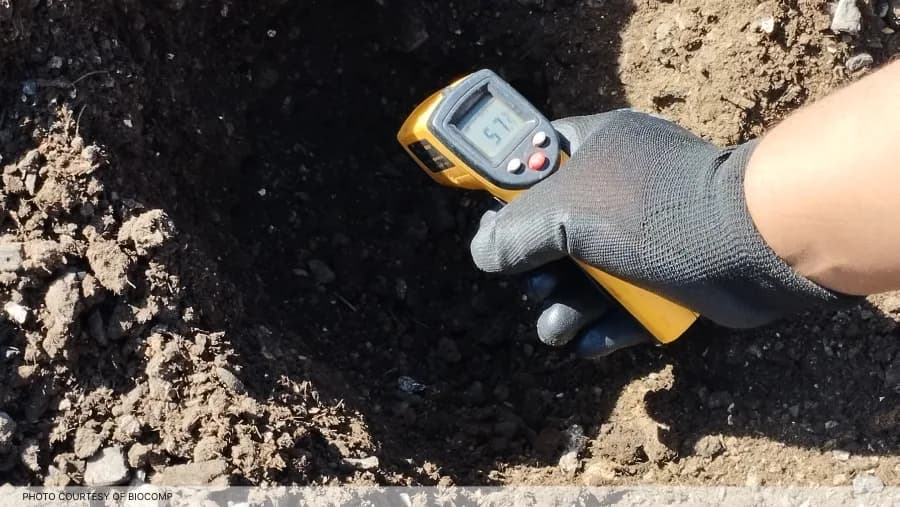
Checking windrow temperature during biological treatment.
Photo: Biocomp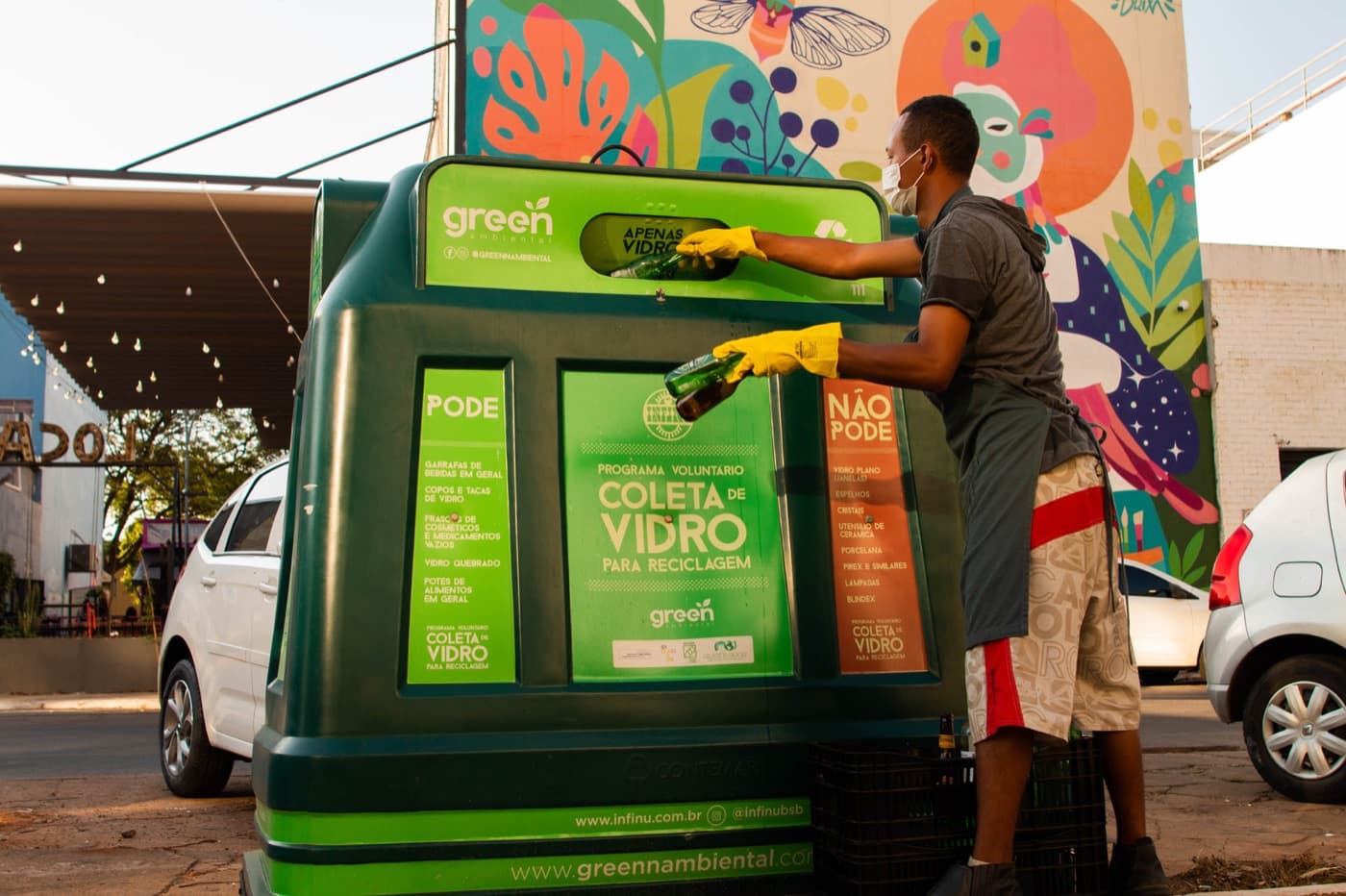
An Ecozinha worker deposits collected glass for recycling.
Photo: Instituto Ecozinha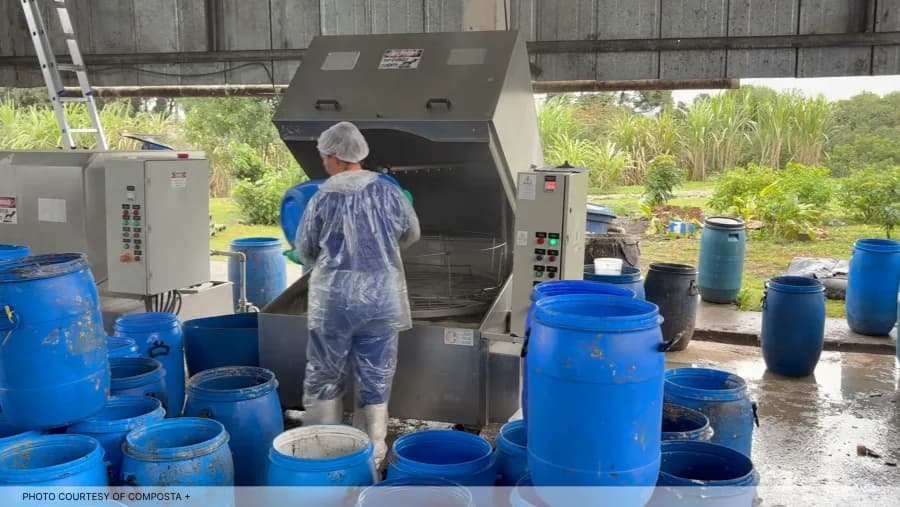
Cleaning collection drums for the next organics cycle.
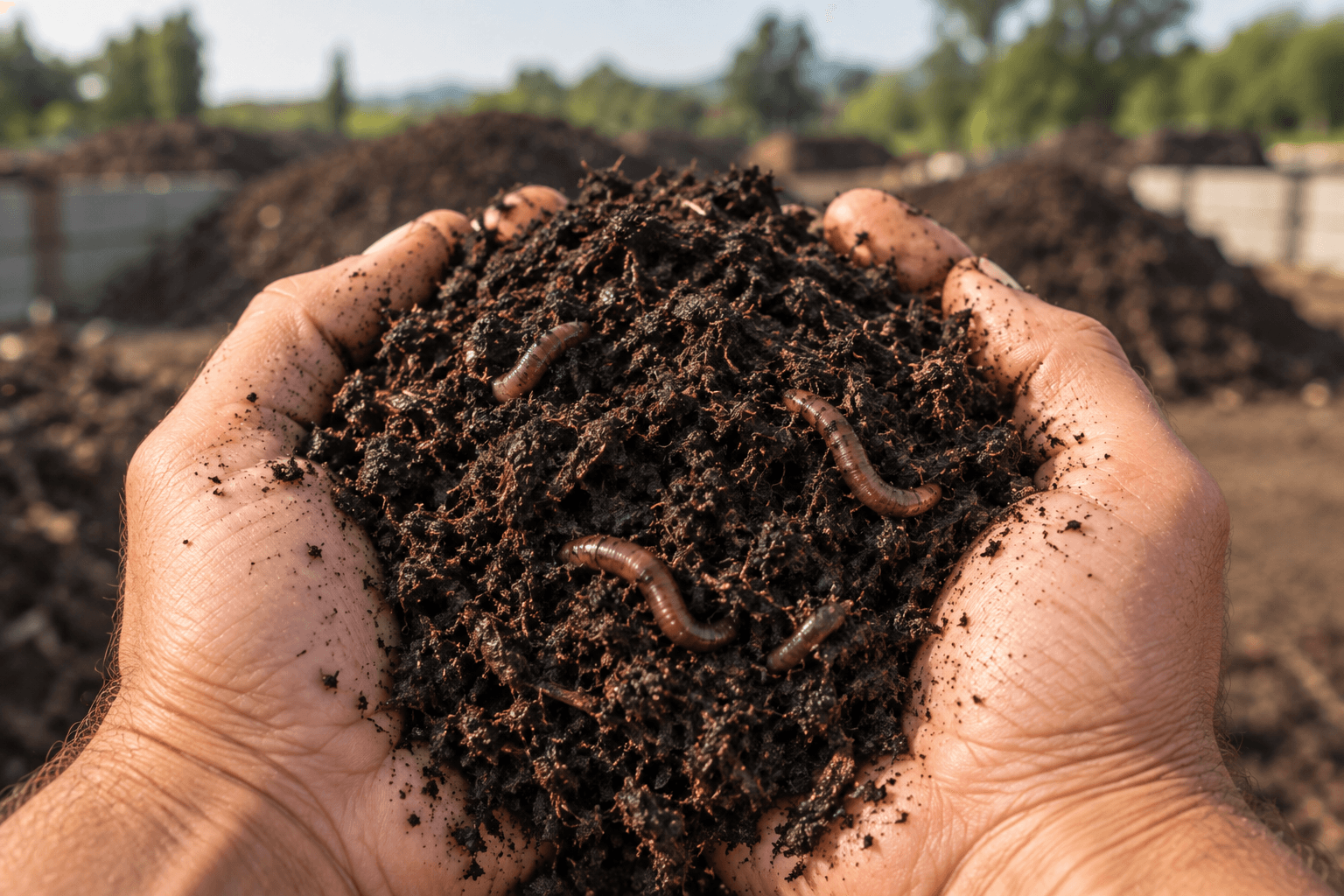
Photo: Composta+When food and other organic materials break down in landfills, they release methane. Diverting biowaste to biological treatment reduces those emissions and returns useful resources to the economy.
We need to make sorting, collection, and treatment more economically attractive than landfilling.
Explore the case for changeLixão da Estrutural, Brasília - DFComposta+ composting centerA shared foundation
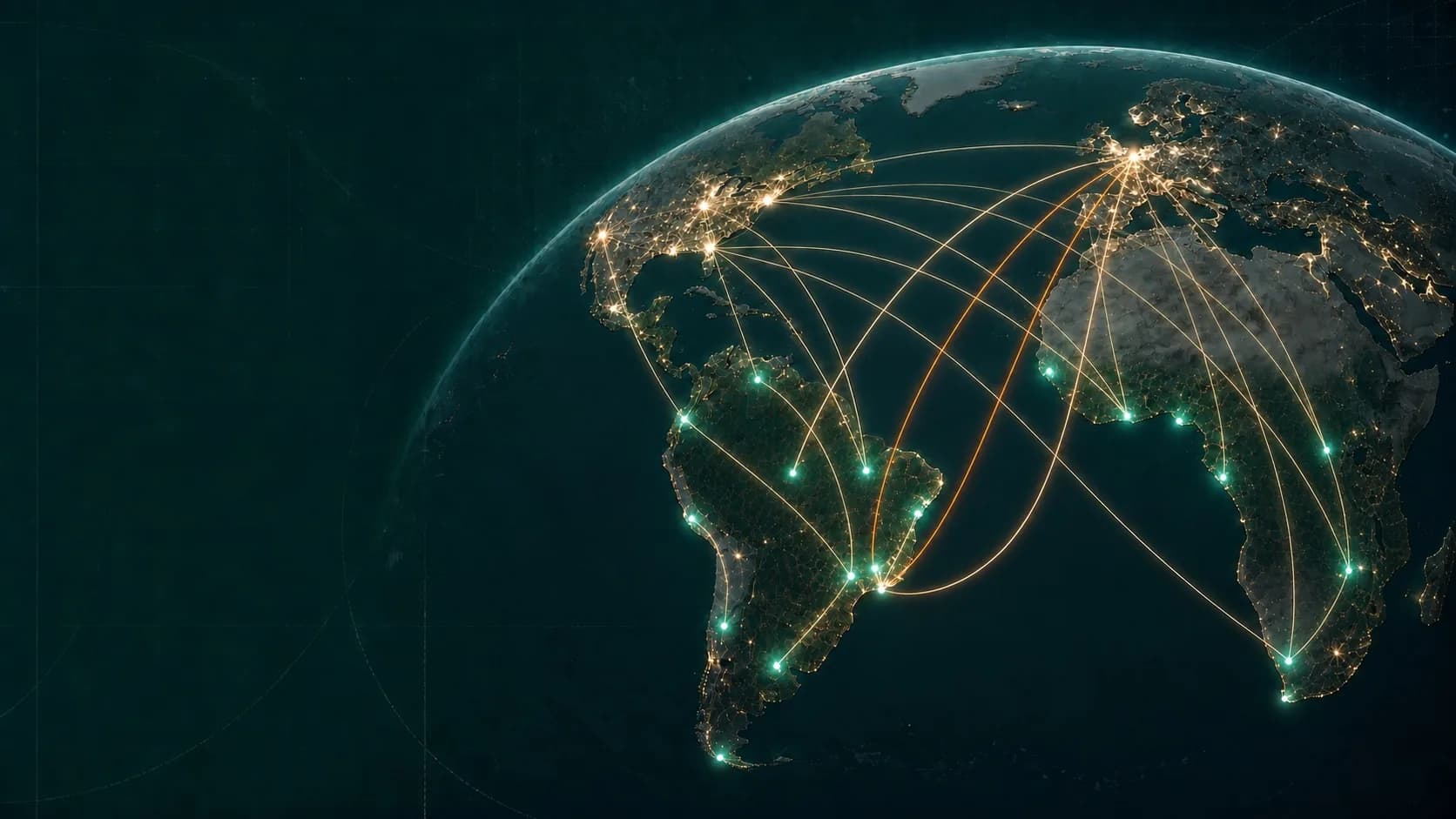
Shared digital infrastructure connects capital markets to small and medium businesses in a manner that can scale—expanding access beyond one-off project finance and enabling results across entire ecosystems.
The Carrot network is governed as a public utility. It incentivizes circularity, decarbonization and regeneration in the Global South while rewarding those who do the work.
 White paper · PDF · English
Ways to contribute
Philanthropy and carbon financing can help build a system that sustains methane-emissions reductions, reduces waste and supports valuable green jobs in the Global South. Both are important, but contribute in different ways.
01 Foundation support
Philanthropic support helps the Foundation build digital public infrastructure capable of scaling climate finance to projects globally, while strengthening the wider ecosystem around it.
We can also work with you to measure and verify the impact of the projects you support.
Three immediate needs:
Research, write, and build the methodologies and verification frameworks used to measure environmental results.
Support independent assessment that helps institutions compare approaches and understand their evidence.
Help projects cover initial audit fees and gain accreditation, unlocking access to climate capital.
Contact the Foundation to confirm the receiving account, intended use and documentation before contributing. If your institution has jurisdiction-specific requirements, include them in your enquiry.
02 Climate finance
Support projects in the Global South.
By purchasing biowaste recycling carbon credits, climate funders build infrastructure and support verified waste diversion and methane reductions today, while helping build recovery capacity for tomorrow.
Early purchasing helps initiate a wider market for recovery. Talk to Carrot about the carbon credits available and your organization’s purchasing needs.
Enquire about carbon credits
Bureau Veritas validated the BOLD Carbon (CH₄) methodology framework.
Read the validation