Project Portfolio
Building the industries needed to reduce landfill methane emissions rapidly, sustainably and at scale.
Projects: real composting facilities — accredited and tracked on Carrot's ledger.
Where: projects mapped against the biggest super-emitters in South America.
Why: composting is the low-cost entry pathway to biological treatment.
Map key, sources and records
Carrot projects · July 2026 snapshot, with accredited facilities as of October 28, 2026; 3 projects under audit in July have since been accredited. Project status does not establish credit availability.
Climate TRACE · 2025 annual methane estimates.
Locations are approximate. Accredited projects are named where the records name them; the others, like projects under audit, show municipality only. The development pipeline is a count, with no locations plotted. The selected landfill sites cover 12 South American countries and show potential need for recovery; they are not Carrot projects or available credits.
Carrot project snapshot (JSON) ↗ · Landfill site data and provenance (JSON) ↗
The downloadable snapshots remain available if the interactive map cannot load.
8accredited facilities8 on the map
14in auditing
10in the pipeline
Carrot operations · accredited as of October 2026 · in auditing and in the pipeline as of July 2026, less those accredited since
The challenge
Waste methane is a market failure — that can be fixed.
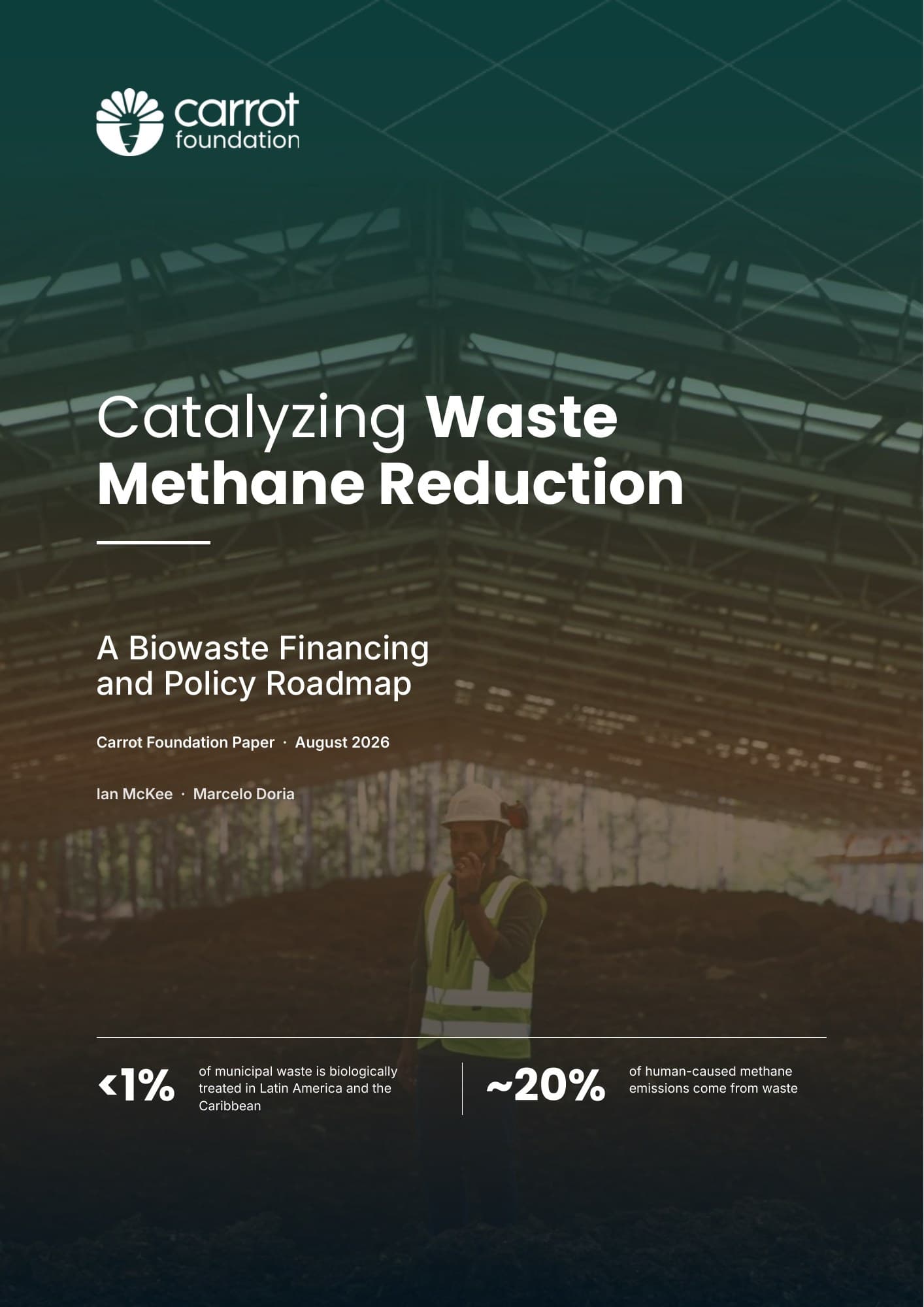
Organic material is roughly 40% of everything we throw away and it is almost entirely recyclable — yet only ~6% of municipal waste is biologically treated today, globally — and less than 1% in Latin America. The remainder decomposes in landfills and open dumps across our planet, where even gas capture systems let most of that methane escape (EPA). The methane they produce represents approximately 20% of global methane emissions.
At Carrot, we believe this is one of the largest opportunities to reduce methane rapidly, sustainably and at scale — and further than current mitigation scenarios model.
The obstacle isn't technology — composting, anaerobic digestion and black soldier fly processing already work. It's market design: the cost of waste is socialized, incentives are misaligned, and recycling is more expensive than landfilling.
Carrot changes the economics of waste recovery.
~20%of global methane emissions come from wasteUNEP / CCAC Global Methane Assessment
<1%of municipal waste is biologically treated in Latin AmericaWorld Bank, What a Waste 3.0 (2026)
0.4%of municipal waste is composted in BrazilABREMA, Panorama 2023
A technology stack and roadmap to change this across the Global South.
Biowaste Credit Stack
The Biowaste Credit Stack issues two independently verified credits from one verified mass of diverted organic waste — a carbon credit for the methane prevented and a recycling credit for the material recovered — two clear and separate utilities and regulatory pathways. The carbon credit carries the methane reduction, the recycling credit carries the material recovery, and each is retired separately. Neither carries the other's claim. Reduction is complete by design: methane that never forms cannot leak, escape, or be re-released. Carrot's ledger enables traceability and chain of custody, and transparently distributes the proceeds from credit sales across the supply chain, most importantly all the way to the waste generator, whose sorting decision determines whether material is recovered or buried. There, the green premium — the additional cost of recycling — is removed, enabling behavior and system change.
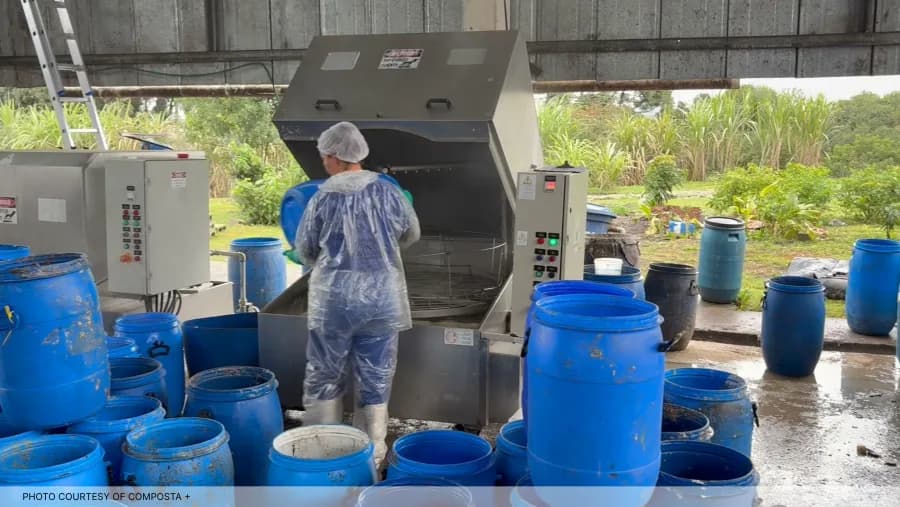
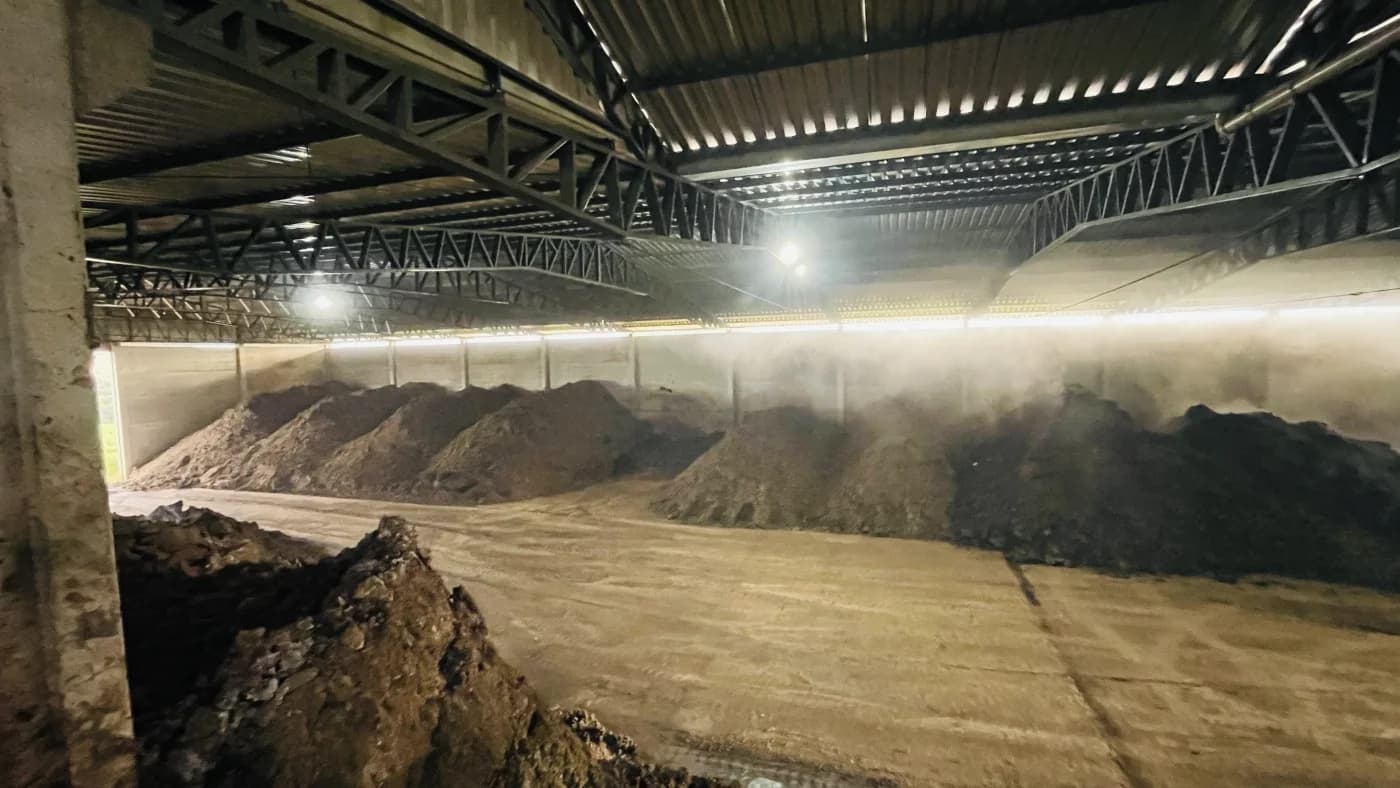
The first stacked biowaste credits have been issued and sold, proving technical viability. They were sourced from projects in three Brazilian states — from a network of 8 accredited facilities and 14 more in accreditation, on track for 18 accredited in 2026.
Biowaste Financing and Policy Roadmap
The roadmap designs a pathway for catalytic methane reduction investment to build a new industry segment that can sustainably reduce emissions. It unlocks a new regulatory pathway founded on existing circular economy policies to scale contributions and share the cost from both sides — producers and waste generators — incentivizing both waste reduction and recycling participation through outcome-based rewards.
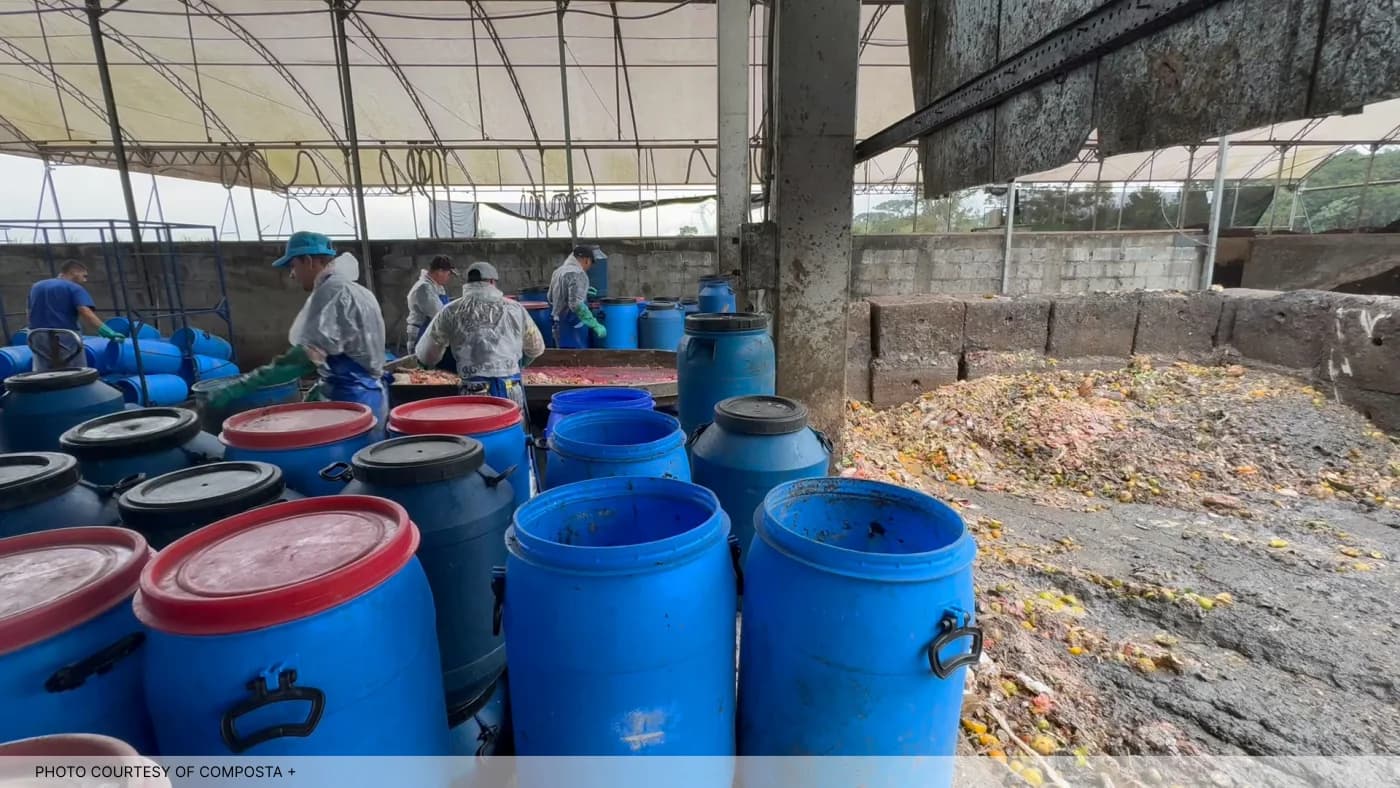
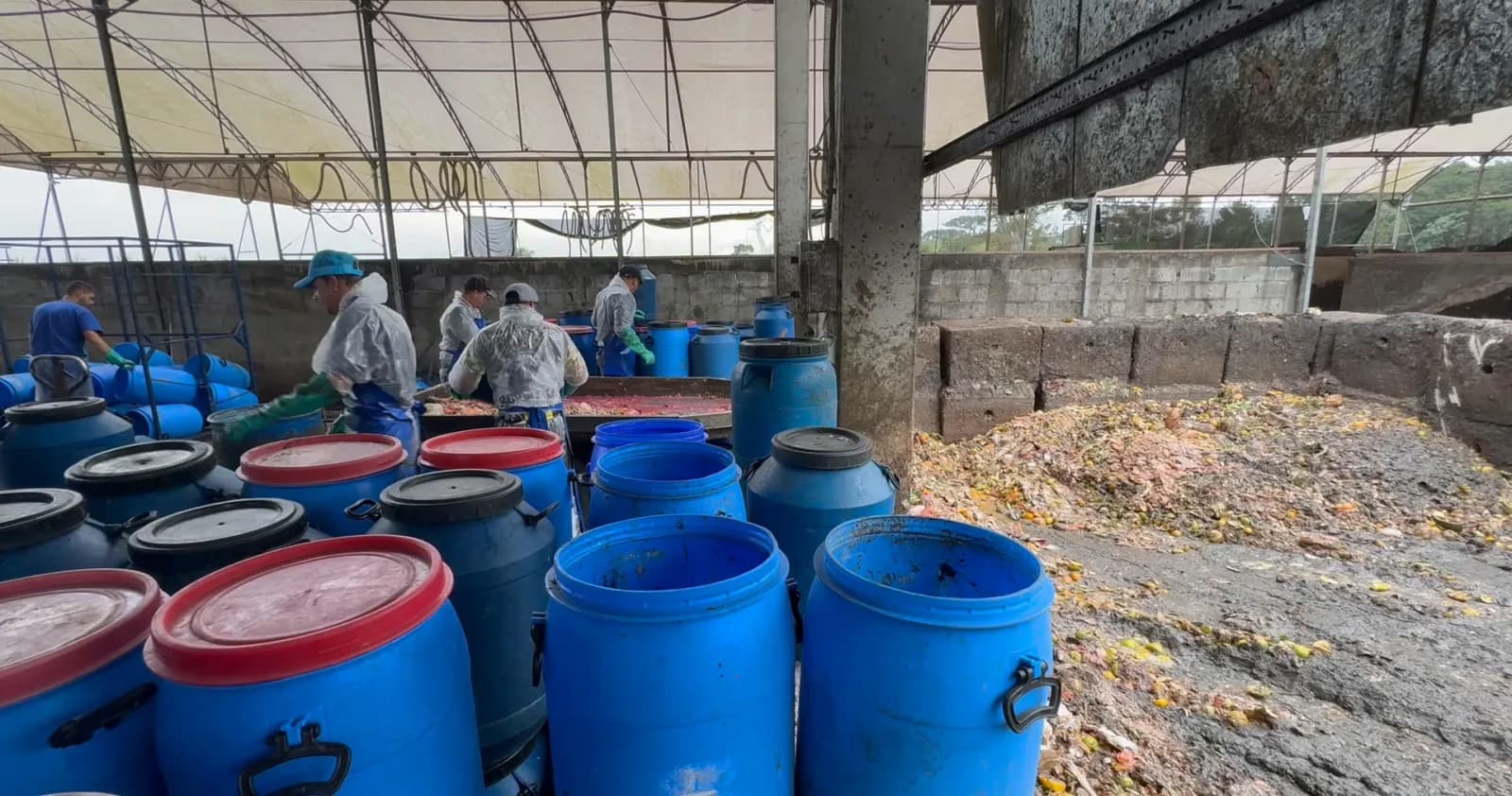
It all starts with sorting, hauling and treating food and organic waste.
The credit stack enables the roadmap.
The Roadmap's 3 Stages
Carbon Credit (Builds)
Recycling Credit (Scales and Sustains)
- Stage 1
Carbon Finance
Methane prevention credits fund new recycling infrastructure and scale early projects — before any regulation exists.
- Stage 2
Food EPR
Food-waste producers finance recovery through Extended Producer Responsibility, with recycling credits as the compliance instrument.
- Stage 3
Pay-As-You-Throw
Price finally reaches the household, rewarding both reduction and recycling participation by default and sustaining the durable end state.
The Zero Waste Goal
A minimum 90% diversion from landfill, incineration and the environment. Thousands of businesses and some municipalities are proving it at scale, but they are still the exceptions.
Zero Waste International Alliance · Zero Waste Europe
Why start in Brazil?
The path to Stage 2 is already set. Brazil has advanced legislation for Extended Producer Responsibility: obligations designed for producers to help cover the cost of post-consumer and post-industrial waste recovery and recycling. The same statutory recycling thresholds that have run for plastic packaging since January 2026 can be pointed at organic waste — including a forward-purchase certificate for future recovered mass. And Brazil is not alone: Turkey, hosting COP31 this November, has pledged to put Zero Waste at the top of the climate agenda.
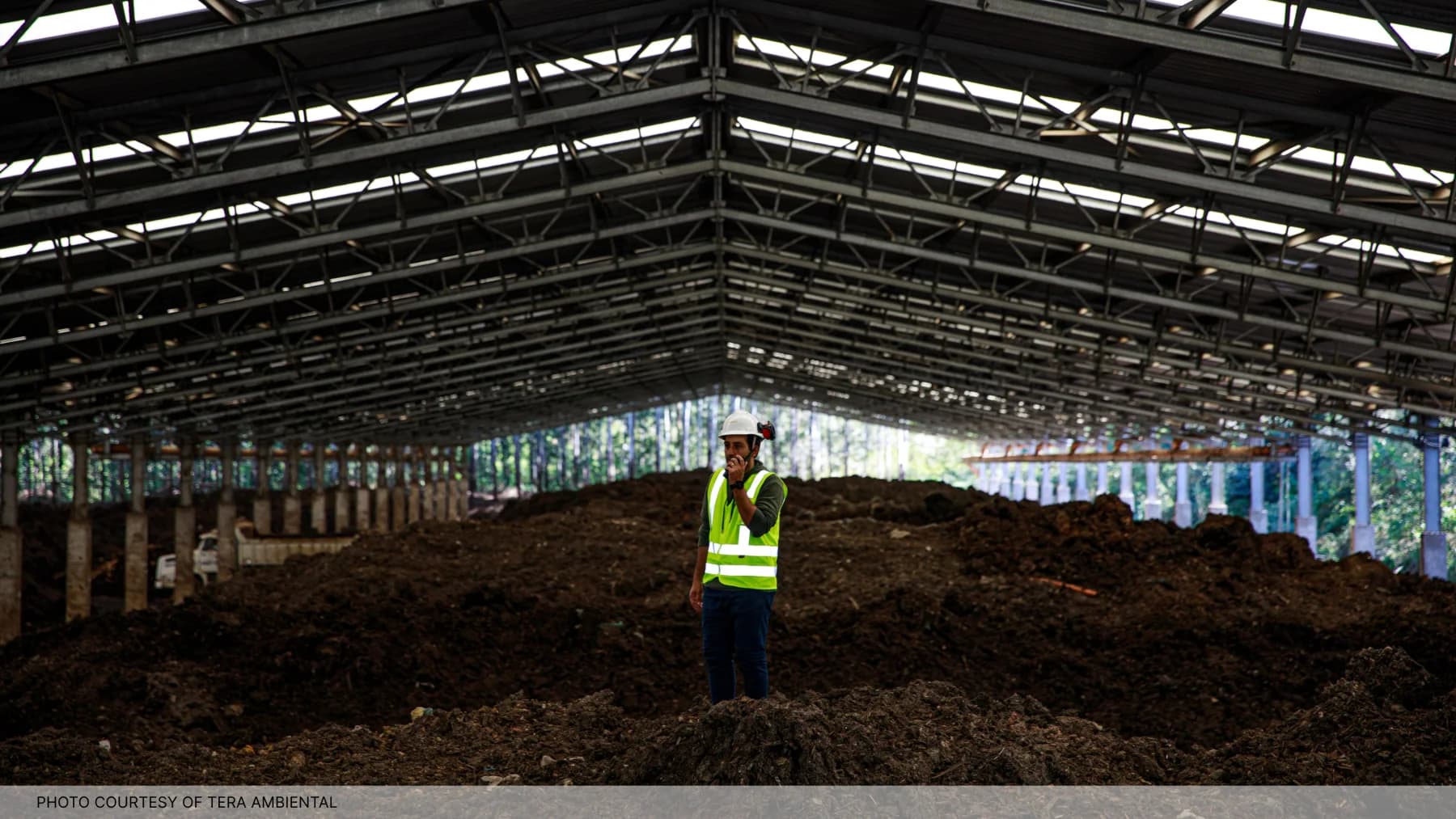
Carrot has existing composting projects in Brazil ready to start — held back only by the absence of catalytic finance.
Calling catalytic partners.
The biowaste treatment industry is a market that needs to be shaped and catalyzed — and time is of the essence.
That shaping has already begun. In March 2026, AlliedOffsets gave these credits a category of their own — Circularity, developed with Carrot — separating credits earned by recovering material from those earned by disposing of it (read the announcement). Landfill-gas capture remains a valid and complementary intervention; circularity moves the boundary upstream, to the waste that should never have reached the landfill at all.
We invite you to:
- Fund new methodology development
- Fund audits and rating assessments
- Catalyze the market by buying credits
176,646 tCO2eof methane reduction, available now, across the 2025–2026 vintages, from the accredited network in three Brazilian states.
Forward purchase and offtake are the preferred instruments: a commitment ahead of delivery is what starts the projects now held back. Indicative pricing for the first tranche on request, with the full audit trail.
Independent Validation
“…real, measurable, conservatively estimated, additional, permanent, independently auditable, and transparently presented results.”
Bureau Veritas · February 2025
~30%of global warming is driven by methane — yet it receives just 1% of climate financeCPI, Landscape of Methane Abatement Finance
~20%of global methane comes from waste — yet organic waste management receives just 0.16% of methane financeCPI, Waste not
Why are these credits additional?
Biological treatment sits below 1% of municipal waste in Latin America; in Brazil, composting accounts for around 0.4%. A practice at that share is not common practice by any reading, and the barrier is not technical: composting is millennia old, unpatented and uncomplicated, and the science is uncontested. The constraint is the green premium, the observable cost gap between recovering a tonne and burying it, which appears in every facility's operating statement.
New measurement data keeps confirming the estimates are conservative: satellite surveys find US landfill methane roughly 51% above the official inventory, and the EPA's own analysis shows most methane from landfilled food waste escapes before gas collection can catch it. The problem is larger than the books report — reduction credits under-count, not over-count.
Nesser et al., Atmospheric Chemistry and Physics (2024) · US EPA, Quantifying Methane Emissions from Landfilled Food Waste (2023)
The counterfactual is not whether one facility exists, it is whether an industry gets built — a market-shaping gap, not an impact or quality gap. And the roadmap above is built to end the subsidy it creates: carbon finance now, producer responsibility next, generator inclusion last for system-wide reduction. Carbon credits are the catalyst, not the destination.
How do you know the tonnes are real?
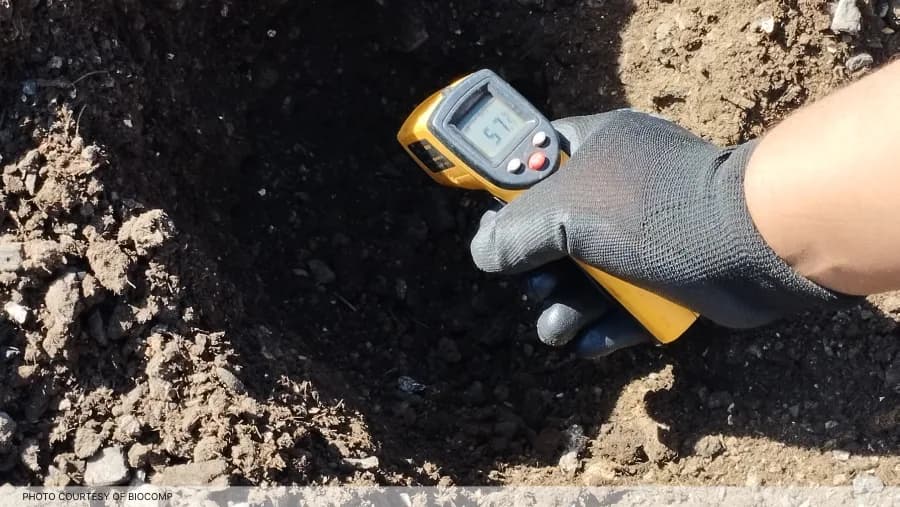
Because they are measured, not modelled. Every unit of waste mass is individually identified and tracked in real time on an immutable ledger recording provenance and chain of custody. Digital MRV built for the circular economy monitors 100% of supply-chain and recycling data.
The methodology was validated by Bureau Veritas. Recyclers and processors are accredited every two years by third-party auditors; haulers and waste generators are identity-verified. Mass data, digital audits and credit issuance are published with multi-party verification and the measurements can be checked by anyone.
What stops the reduction being reversed?
Nothing is stored, so nothing can escape. Composting prevents methane from forming in the first place: unlike forest sequestration or carbon capture, there is no reservoir to leak and no reversal risk to insure.
Ongoing digital MRV and third-party audits confirm the landfill diversion and emission reductions occurred. Soil health, water retention and biodiversity improve as a result, none of which Carrot, or its partnering standards, credits.
Could the emissions simply move somewhere else?
Project boundaries are monitored digitally and capped at 200 km, which limits both process and geographic leakage. The methodology applies conservative assumptions to indirect leakage and to end-product use, including the risk of anaerobic conditions reintroducing methane later.
Recyclers and processors are accredited and audited every two years, and haulers are identity-verified, so the whole chain sits inside the boundary.
Does composting create other environmental problems?
It removes several. Diverting organics prevents methane and reduces the leachate, toxic gases and local air pollution that come with landfilling them.
PFAS contamination risk is assessed, and accredited recyclers must meet local soil-toxicity regulation. The compost then replaces chemical fertilizers, restores soil health, improves water retention and plant productivity, and supports biodiversity: enhancements that strengthen climate adaptation and are deliberately left uncredited.
Who benefits — and who could be harmed?
Projects are audited every two years against labour law, human rights and environmental protection, with safeguards against displacement or exploitation of vulnerable communities, and local stakeholder input on what a project should prioritise.
Proceeds are distributed across the supply chain, most importantly to the waste generator; discounted rewards from large corporate generators are redirected to accredited NGOs working on the circular economy and child welfare. The work supports small operators and creates green jobs in composting, recycling, repair and reuse.
Why does Carrot run its own registry?
Because no established carbon standard was built for this segment. Conventional carbon registry cost floors and transaction costs exclude the small and mid-sized operators this market has to reach in the Global South, so Carrot built its own.
Carrot does not write the rules for crediting: these are established by existing program managers and scientists. The small-scale composting methodology follows UNFCCC CDM AMS-III.F standards, with additional digital MRV guardrails. The recycling and verification frameworks were authored by Caio de Teves Inácio, a soil carbon and composting scientist at Embrapa, Brazil’s federal agricultural research corporation. Bureau Veritas validated the methodology and its application at an operating facility. Projects are accredited and audited every two years, and credits are verified by independent auditors.
The registry records what those parties attest. Methodologies, governance rules and the Rewards Distribution Policy are published in full, and every issuance is public on the registry.
That separation is what makes Carrot multi-standard and an open public registry for a single source of truth across carbon and circular economy registries.
The next phase involves independent assessment of new methodologies and projects run on Carrot, with the goal of scaling funding to this industry.