Carbon Pulse, the trade publication on carbon markets and climate policy, interviewed Ian McKee during Climate Week NYC 2026, weeks after Carrot won the Finance category of the inaugural Climate Curve Prize: Methane. Below are the main points of the conversation. The full interview is on Carbon Pulse.

What Ian discussed
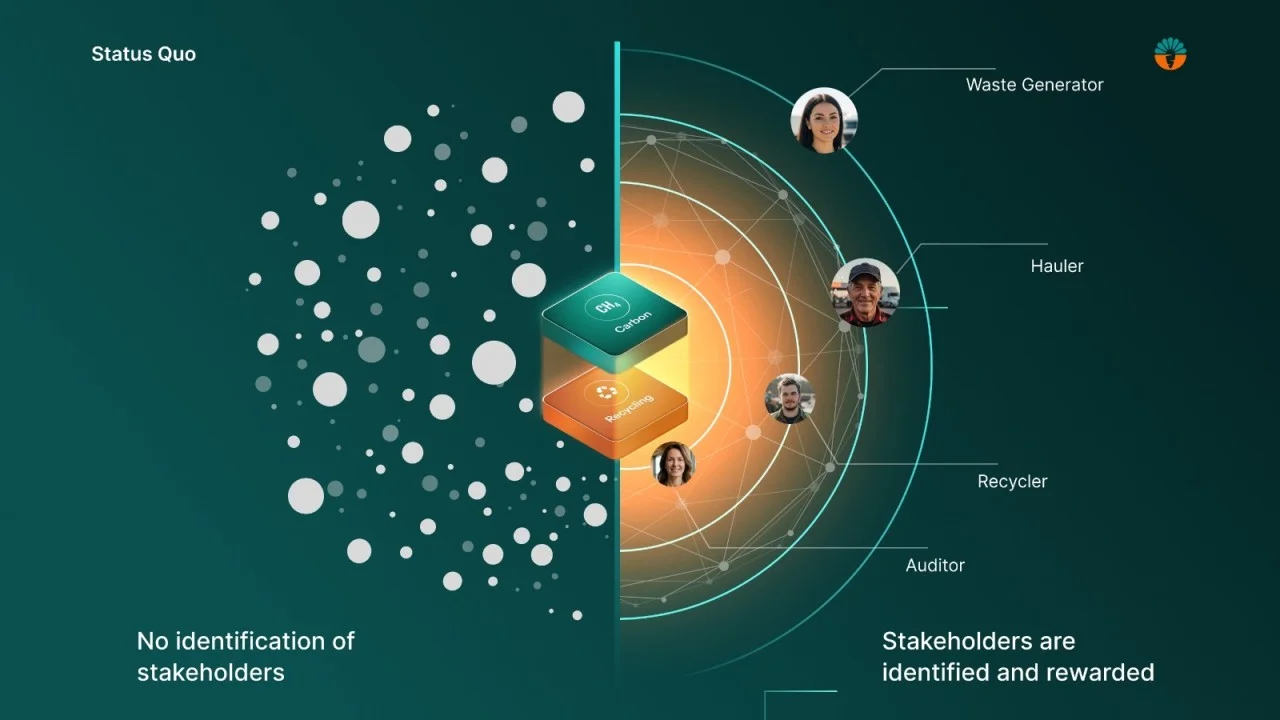
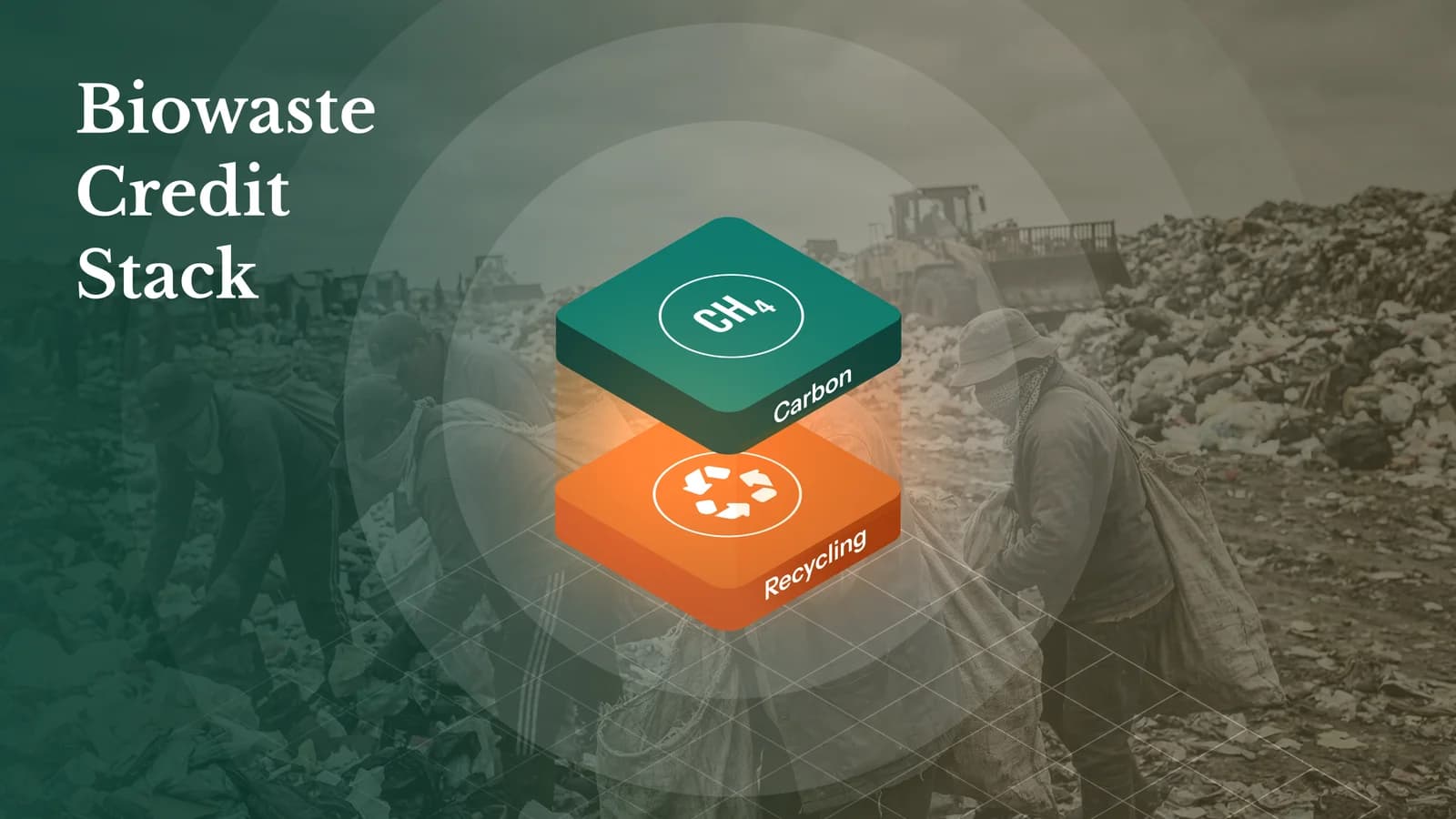
- One tonne, two credits. Under the Biowaste Credit Stack, the same tonne of organic waste diverted from landfill generates a carbon credit for avoided methane and a separate recycling credit.
- Carbon finance comes first. It pays for collection and treatment such as composting, anaerobic digestion and black soldier fly. Food extended producer responsibility (EPR) takes over later, and eventually a pay-as-you-throw model.
- A dedicated buyers’ commitment. Ian wants corporate buyers to form an advance market commitment for biowaste methane credits, with a target above $1 billion.
- Diversion before landfill. Capturing landfill gas doesn’t solve the problem at the source. Organic waste has to be diverted before it is buried.
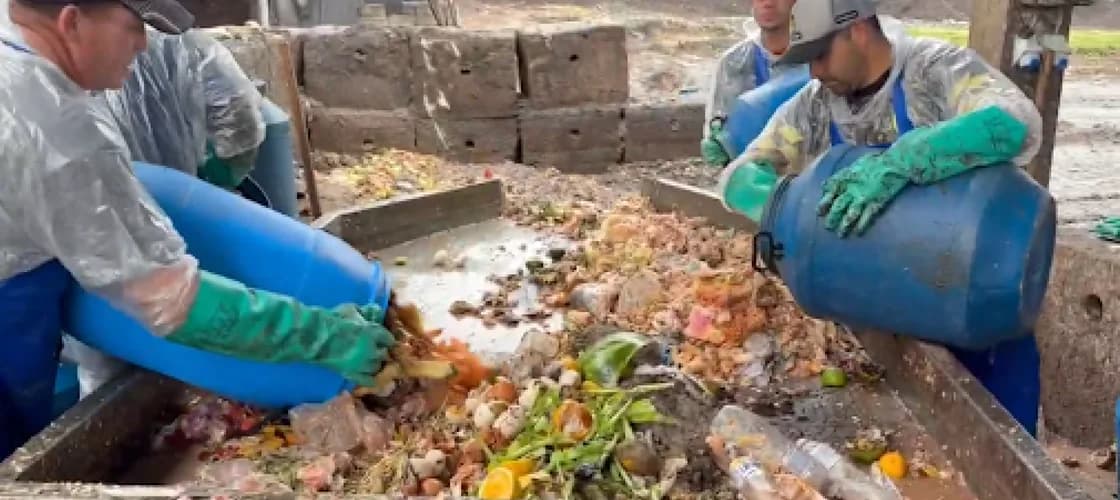
- Starting in Brazil. Carrot works with recycling operators on a decentralized network of composting sites, in a country that already has EPR for packaging.
Carbon financing isn’t forever.
In Ian’s model, carbon credits pay to build the system and producer responsibility keeps it running.
Go deeper
- The Biowaste Credit Stack
- Biowaste Financing and Policy Roadmap
- Climate Curve Prize: Methane announcement
Interview by Roy Manuell, published by Carbon Pulse on September 28, 2026. Summary by Carrot.